Key takeaways
- A stator and a regulator rectifier fail with almost identical symptoms, so guessing wastes money on parts you may not need.
- Stator resistance should read 0.2 to 1.0 ohms and equal across all three phase pairs, with an open reading to ground.
- A healthy stator produces 40 to 90 volts AC per pair at 3000 rpm, rising steadily as engine speed climbs.
- A good regulator rectifier reads 13.8 to 14.7 volts at the battery at 3000 rpm and passes a diode test in one direction only.
- Testing both parts before buying costs about fifteen minutes and a 20 dollar meter, far less than replacing parts that were never broken.
Two boxes sit on the workbench: a new stator still in its plastic clamshell, and a new regulator rectifier still wrapped in the dealer’s paper. The owner bought both after his Ranger’s battery went dead for the third time in two weeks, figuring one of the boxes had to be the fix.
That gamble costs real money. A stator runs 80 to 250 dollars and a regulator rectifier runs 40 to 120 dollars, so covering both bases at once can mean 150 to 350 dollars spent on a guess.
The symptoms genuinely do overlap. A weak stator and a dead regulator both leave you with a battery that will not hold a charge, dash lights that dim at idle, or a low voltage warning on the display.
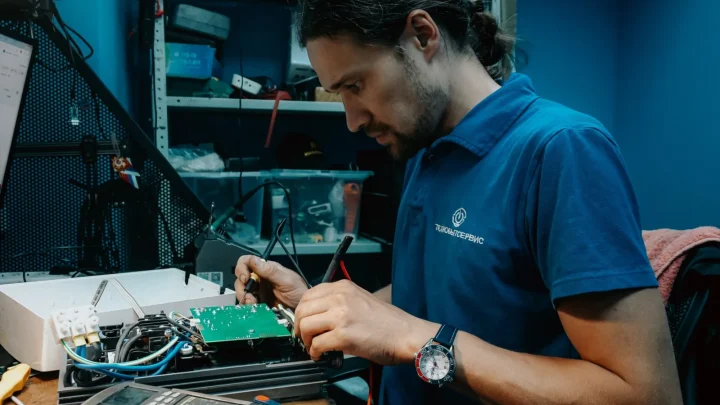
A multimeter clears up the confusion. Fifteen minutes of testing, done in the right order, points at one part and clears the other, and this guide walks through exactly how.
Why a Dead Stator and a Dead Regulator Look the Same
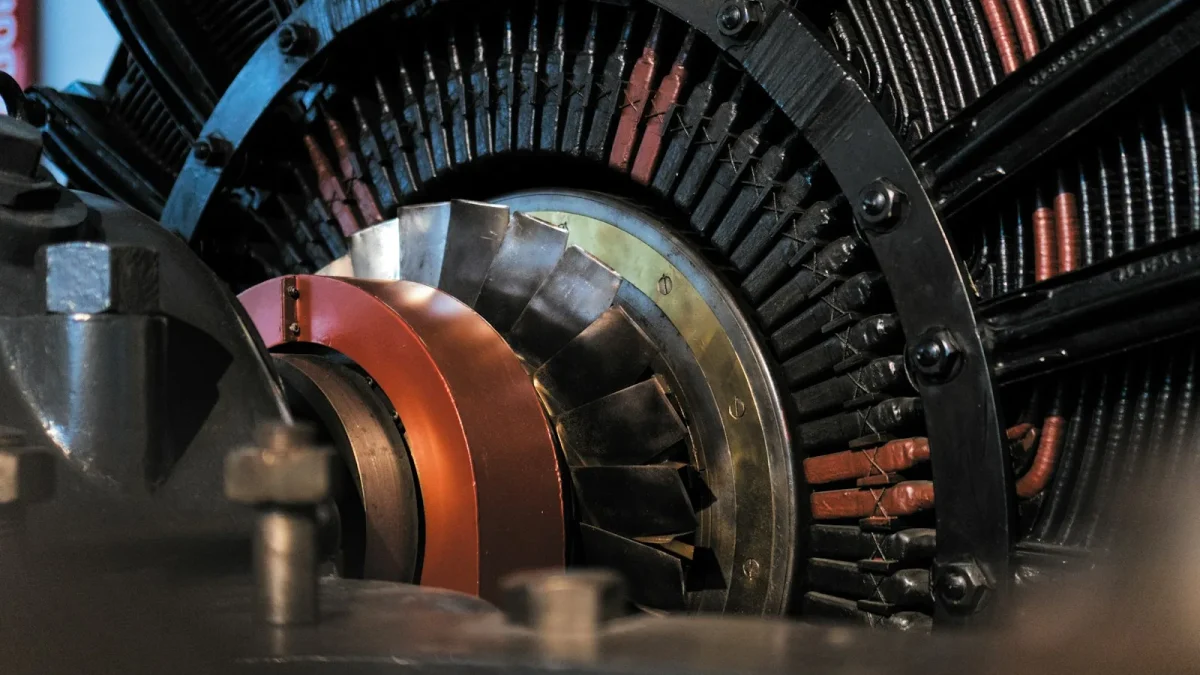
The stator sits under the flywheel and spins past a ring of magnets, making raw AC current as the engine turns. The regulator rectifier takes that AC, converts it to DC, and holds the output between 13.8 and 14.7 volts to match what a 12 volt battery needs.
Kill either part and the result looks nearly identical from the saddle: not enough DC reaches the battery, and it drains a little more every ride until it cannot crank the engine.
A shorted stator can even trick you into blaming the regulator. Instead of simply losing output, a stator with a shorted winding pulls current the regulator cannot compensate for, so charging voltage reads low even though the regulator itself is fine.
That is why testing has to happen in order, starting with the part that is cheaper and faster to check: the stator.
Gear Up Before You Start Testing
You need a digital multimeter that reads AC volts, DC volts, resistance in ohms, and has a diode test mode. An auto ranging meter under 30 dollars handles every test in this guide; you do not need a 200 dollar clamp meter.
Charge the battery to at least 12.6 volts before you test anything. A weak battery drags the whole charging system down and muddies every reading, especially the AC output test.
Pull up the wiring diagram for your specific model, even a photo from a forum thread works, so you know which connector belongs to the stator and which wires run to the regulator. On most UTVs the stator connector is a three pin plug near the flywheel cover, and the regulator sits on a metal bracket with cooling fins near the frame rail or under the seat.
- Digital multimeter with AC volts, DC volts, ohms, and diode mode
- Battery charged to 12.6 volts or higher before testing
- Wiring diagram or photo showing the stator and regulator connectors
- Engine fully cooled if testing near the exhaust or regulator heat sink
- Notebook or phone to record each reading as you go
Stator Test One: Resistance With the Engine Off
Unplug the stator connector and set the meter to ohms. Touch the leads across each pair of the three stator pins: pin one to pin two, pin two to pin three, and pin one to pin three.
A healthy three phase stator reads low and even, typically 0.2 to 1.0 ohms depending on the model, and all three pairs should land within about 0.1 ohm of each other. Check your service manual for the exact spec, since Polaris, Can-Am, and Yamaha stators all wind slightly differently.
Next, touch one meter lead to any stator pin and the other to a bare metal ground on the engine case. A good stator reads open, showing OL or infinite resistance, and any needle movement or a reading under a few thousand ohms means a winding has shorted to the frame.

Write down all three phase to phase numbers and the ground reading before you move on. You will compare them against the AC output test next.
Stator Test Two: AC Output With the Engine Running
Safety
Keep meter leads, hands, and sleeves clear of the flywheel cover, belt, and fan before starting the engine, and never lean over a hot exhaust to reach the stator plug.
With the connector still unplugged, set the meter to AC volts. Start the engine and touch the leads across the same three pin pairs, one pair at a time, with the engine at idle.
At idle, expect somewhere around 15 to 25 volts AC per pair on most single cylinder UTVs. Bring the engine up to 3000 rpm and hold it steady; a healthy stator climbs to roughly 40 to 90 volts AC per pair at that speed, with all three pairs within a few volts of each other.
A pair that reads dramatically lower than the other two, or one that barely moves off idle numbers, confirms a weak or open winding. If the resistance test passed but this test fails, suspect a winding that opens up under heat, something a cold resistance check alone will miss.
Regulator Test: The Diode Check
A regulator rectifier uses diodes to turn AC into DC, and those diodes fail in predictable ways a meter’s diode mode will catch.
Unplug the regulator and set the meter to diode test. Touch the red lead to one of the AC input pins and the black lead to the DC positive output, then reverse the leads on the same two pins.
A good diode shows roughly 0.4 to 0.7 volts in one direction and OL, no reading, in the other direction. Repeat this across each AC pin and the DC positive pin, then again between each AC pin and the DC negative or ground pin.
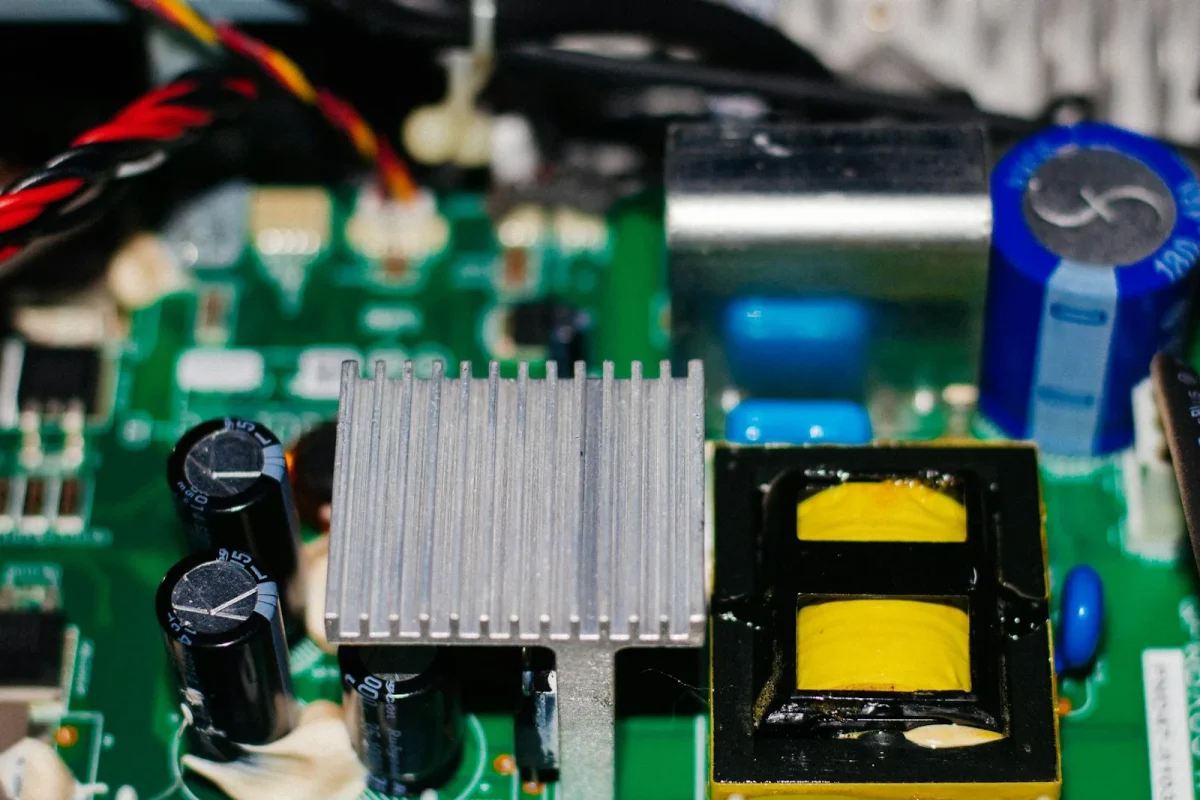
A diode that reads the same both directions has failed, either shorted with a low reading both ways or open with OL both ways. One bad diode is enough to take down the whole regulator, even when the rest test fine.
Confirm at the Battery: Charging Voltage at 3000 RPM
The diode test tells you if the regulator’s internal parts are healthy, but the real proof is voltage at the battery with the engine running.
With the battery still connected, set the meter to DC volts and touch the leads to the battery posts. At idle, many machines only show 12.8 to 13.5 volts, and that is normal. Bring the engine to 3000 rpm and hold it there for a full minute.
A charging system in good health reads 13.8 to 14.7 volts at that speed and holds steady. A reading stuck near 12.3 to 12.6 volts, no higher than resting battery voltage, means nothing is reaching the battery. A reading climbing past 15 volts means the regulator is overcharging instead, which is just as damaging.
Matching Your Readings to the Failed Part
Line up your four readings, stator resistance, stator AC output, regulator diode test, and charging voltage at 3000 rpm, against the table below to see which part the evidence points to.
| Stator resistance and ground test | Stator AC output at 3000 rpm | Regulator diode test | Charging voltage at 3000 rpm | Likely failed part |
|---|---|---|---|---|
| Even, 0.2 to 1.0 ohm, open to ground | Normal, 40 to 90 VAC per pair | One or more diodes fail | Below 13 volts or above 15 volts | Regulator rectifier |
| Uneven pairs or one leg reads open | Low or missing on one or more pairs | Not yet tested | Below 13 volts | Stator |
| Continuity to ground on any pin | Weak or erratic across pairs | Not yet tested | Below 13 volts, battery drains fast | Stator, shorted winding |
| Even and open to ground | Normal, 40 to 90 VAC per pair | Passes clean both directions | 13.8 to 14.7 volts | Charging system healthy, check connector and ground |
Tip
Test before you buy. A multimeter costs 20 to 40 dollars and these tests take about fifteen minutes, far cheaper and faster than ordering a stator and a regulator and returning whichever one turns out fine.
Before You Order Either Part
A customer brought in a Can-Am Renegade last spring with a stator and a regulator rectifier already bought, 310 dollars spent before a single test. The battery had died twice on the trail and he wanted both parts swapped that afternoon.
Fifteen minutes on the bench told a different story. Stator resistance measured 0.4 ohms across all three pairs, even, and open to ground. AC output climbed to 68 volts per pair by 3000 rpm, and the regulator’s diodes all passed clean in both directions.
The actual fault was a ground strap between the engine case and the frame, corroded down to a green crust. A four dollar strap and a wire brush fixed what two new parts could not, and both boxes went back to the dealer for a refund.
Run the tests in this guide before you spend a dollar on parts. Replace the stator if it fails resistance or output.
Replace the regulator if the stator passes but the diode test fails or voltage climbs past 15 volts. If both pass and voltage still reads low, clean and recheck the connector and ground strap before you buy anything.
Retest after any repair. Bring the engine to 3000 rpm one more time and confirm the battery reads 13.8 to 14.7 volts before you close up the covers and call the job done.
Frequently asked questions
Can a stator test good cold but still fail when the engine is hot?
Yes. Some windings open up only after heat expands a cracked solder joint or worn insulation, so a stator can pass a resistance test at room temperature and still show weak AC output once the engine warms up. Always run the AC output test with the engine at operating temperature, not just cold.
What if the stator and the regulator both test fine but the battery still will not charge?
Check the connector between the stator and the regulator and the ground strap between the engine and the frame. Corrosion or a loose ground can cause a no charge condition even when both parts individually test perfectly, and cleaning a ground strap costs a few dollars against 40 to 250 dollars for a new part.
Is it safe to test stator AC output with the engine running and the connector unplugged?
Yes, this is the standard test method and will not damage the stator, though you should keep hands and meter leads away from the flywheel cover, belt, and fan while the engine runs. Never run this test with the regulator unplugged, since an unplugged regulator can let voltage spike and damage the wiring or the ignition.
How much does it cost to replace a stator versus a regulator rectifier?
A stator part typically costs 80 to 250 dollars and a regulator rectifier runs 40 to 120 dollars, with labor adding 150 to 400 dollars if a shop has to split the cover to reach the stator. Testing first, which takes about fifteen minutes, avoids paying for both parts when only one has failed.
Can a weak battery cause these tests to give false readings?
Yes. A battery resting below 12.4 volts drags down every voltage reading and can make a healthy charging system look weak. Charge the battery to at least 12.6 volts, or swap in a known good battery, before you trust any stator or regulator test result.

Vidya Verma
Vidya Verma is a UTV and powersports technician with hands-on experience diagnosing electrical, charging, and starting problems on Polaris, Can-Am, and other side-by-side platforms. She writes practical, workshop-tested repair guides that help owners troubleshoot faults, choose the right parts, and get their machines running reliably in the field. When she's not under the hood, she's out riding trails and stress-testing the same fixes she recommends.