Key takeaways
- Dielectric grease seals a connector from moisture, it does not conduct electricity and never should.
- A thin film on the connector housing works better than a thick glob smeared on the metal pins.
- Clean off existing corrosion first, since dielectric grease only prevents new corrosion from forming.
- Use silicone dielectric grease on spark plug boots, never a petroleum based grease that swells rubber.
- Battery terminals, bulb sockets, and winch connectors are the parts that fail first on a machine ridden through mud and water.
The taillight on a mud-caked Can-Am flickers every time the trail turns rough, then quits for good two miles from the truck. Back at the garage, the connector behind the fender pulls apart to reveal a crust of white powder climbing both pins.
A buddy at the parts counter says the fix is dielectric grease. He is half right. Packed into the wrong spot, that same tube of grease can make a corroded connector fail again within a month, sometimes worse than before.
Dielectric grease costs about 6 to 9 dollars a tube and outlasts almost everything else in a tool bag. Most owners still use it wrong, smearing a glob straight onto bare metal pins where it can block a connection instead of protecting it.
Here is what that grease actually does, exactly where it belongs on a UTV, and how a 90 second habit at every connector keeps mud and water from turning into blown fuses, dim lights, and dead accessories.
What Dielectric Grease Actually Does
Dielectric grease is a thick, silicone based grease that does not conduct electricity. That is the entire point of the product, not a flaw.
Its job is to seal air and moisture away from bare metal. Water and oxygen are what turn a clean brass or copper terminal into the green or white crust that adds resistance to a circuit, and a thin coating of grease keeps both away from the metal underneath.
It also shrugs off heat and cold better than most owners expect. Most tubes are rated from about -40 degrees Fahrenheit to 400 degrees Fahrenheit, so it stays put on a connector near a hot engine bay and does not stiffen up on a cold morning start.
Why Nonconductive Matters
Because the grease will not carry current, the actual electrical path still happens through direct metal to metal contact between two pins or terminals. The grease surrounds that contact point and keeps moisture from reaching it.
It does not create a connection and it will not rescue a pin that is already loose, spread, or corroded. Clean metal touching clean metal is still what carries the power, the grease just keeps that metal clean longer.
Where It Belongs on a UTV
Four spots see the most benefit on a typical Polaris, Can-Am, Yamaha, Honda, or Kawasaki side by side.
Connectors and Bulb Sockets
Any multi pin connector exposed to weather benefits, especially the ones behind the fenders, under the seat, or near the winch. Taillight and headlight bulb sockets corrode often because they sit low on the machine and catch spray straight off the tires.
Battery Terminals
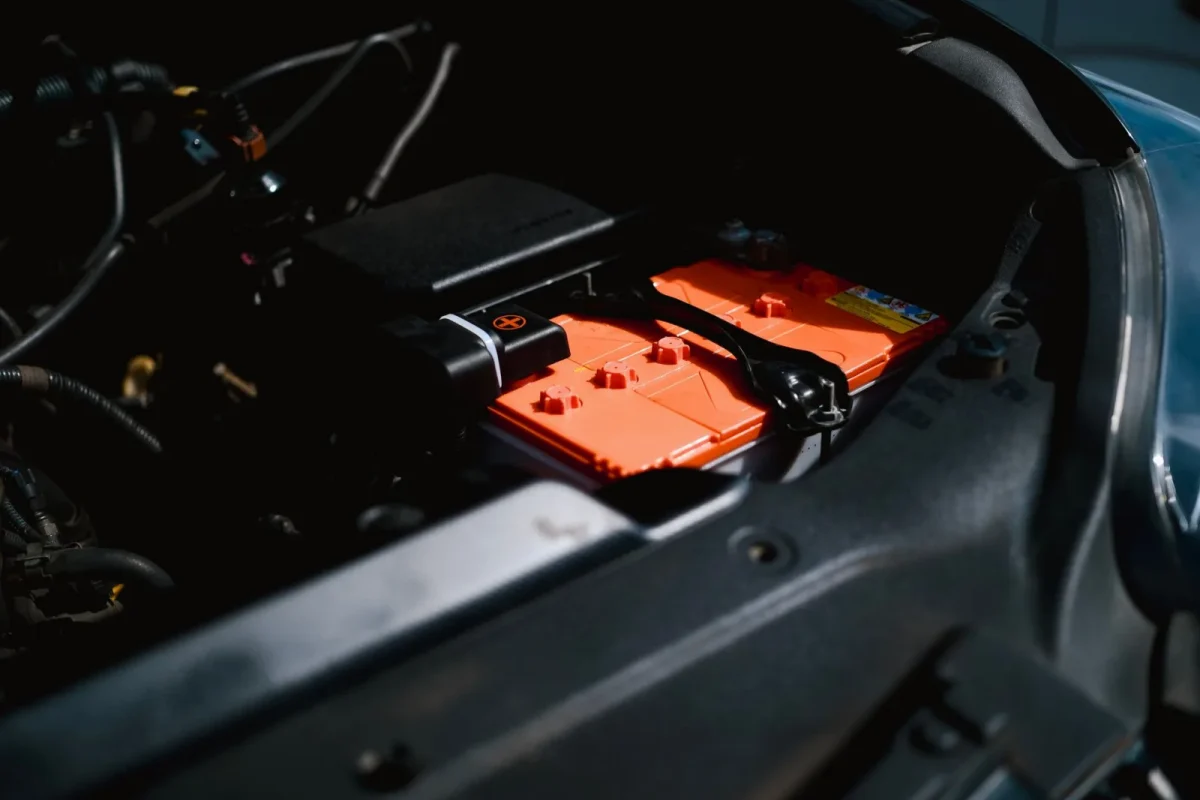
A thin coat on the clamp after it is tightened keeps acid vapor and road moisture from forming the blue green crust that adds resistance right at the source of every circuit on the machine. Torque the terminal bolt first, usually 60 to 80 inch-pounds on a standard clamp, then grease the outside of the connection.
Spark Plug Boots
A dab inside the boot where it meets the plug keeps the rubber from bonding to the ceramic insulator. Pull a boot that has never been greased off an old plug and it often brings the plug wire terminal apart with it.
Trailer and Accessory Plugs
Winch remote plugs, trailer light plugs, and any connector you disconnect for winter storage all benefit from a fresh film every time they go back together. These sit unmated for months at a time, which gives moisture plenty of chances to creep in.
How Much to Use
The most common mistake with this product is volume, not choice. A pea sized amount goes a long way, and anything more just squeezes out the sides and collects dirt and grit.
Coat the inside of the connector housing and the rubber seal where the two halves meet, not the exposed face of each metal pin. When you push the connector together, the grease gets displaced from the actual contact point and forced into the gaps around it, which is exactly where you want it to end up.
Tip
A thin film is the whole job. If grease squeezes out around the edges when you mate a connector, you used too much. Wipe the excess away rather than leaving it to collect dust and grit.
The Mistake That Undoes the Job
In the shop, the connectors that fail young are rarely the ones nobody touched. They are the ones somebody tried to protect and got backwards.
A tech I know describes pulling apart a Ranger taillight harness where a previous owner had packed a full glob of dielectric grease directly across both pin faces before plugging it back in. The grease never got pushed aside, so current had to creep through a thin skin of grease for two riding seasons, which showed up as a taillight that dimmed every time the trail got rough.
The connector still corroded anyway, because the housing seal itself was left bare while the pins sat buried in grease. The actual fix took about ten minutes: unplug it, wipe both pins clean with electrical contact cleaner, coat the housing and seal only, then reconnect. The taillight has not flickered since.
Dielectric Grease vs Anti-Corrosion Spray vs Battery Terminal Protectant
These three products get grabbed for the same job on a parts store shelf, but they are not interchangeable.
| Product | Conducts Electricity | Best Use on a UTV |
|---|---|---|
| Dielectric grease | No | Connectors, bulb sockets, spark plug boots, sealed plugs |
| Anti-corrosion spray (contact cleaner type) | No, evaporates | Flushing dirt and moisture out of a connector before reassembly |
| Battery terminal protectant (felt washer or spray) | Slight, some blends are conductive | Open air battery posts and clamps exposed to acid vapor |
| Copper anti-seize | Yes | Threaded fasteners only, never a wiring connector |
Contact cleaner is great for flushing gunk out of a dirty connector, but it evaporates fast and leaves nothing behind to block moisture later. Battery terminal protectant is built for the open air corrosion a battery post sees, not for a sealed multi pin connector under the seat. Reach for dielectric grease anywhere wire meets wire inside a housing.
Applying It the Right Way
The whole process takes less than two minutes per connector once the parts are clean and dry.
- Disconnect the battery negative terminal before working near any connector close to the starter or main harness
- Unplug the connector and inspect both halves for green or white corrosion
- Clean corroded pins with electrical contact cleaner and a small brass brush, never sandpaper on a plated pin
- Let the connector dry fully, since moisture trapped under grease still causes corrosion
- Apply a pea sized amount of dielectric grease to the housing and seal, not the exposed pin faces
- Reconnect firmly until it clicks or seats, then give the harness a gentle wiggle to confirm it is seated
- Reconnect the battery and test the circuit before closing up any bodywork
Warning
Do not substitute a petroleum based grease on spark plug boots or rubber seals. Petroleum products swell and soften rubber over time, which leads to a boot that will not seal or a connector seal that tears on the next removal. Silicone dielectric grease is safe on every rubber part in the wiring system.
Why This Matters More in Mud and Water
A UTV that spends its life on dry gravel roads can go years without a truly corroded connector. A machine that fords creeks, plows through mud, or gets pressure washed every weekend sees the opposite.
Water gets pushed into connectors under pressure, then sits there long after the ride ends. Corrosion is rarely an instant short, it is added resistance that grows over weeks, and a connector reading 0.1 volts of drop today can climb past 0.5 volts of drop by the end of a wet season.
That climb shows up as a dim light, a hesitant winch, or a gauge that reads wrong before anything actually fails outright. Sealing a connector with a thin film of grease before that resistance builds is far less work than chasing an intermittent fault later with a meter and a wiring diagram.
Buy a small tube of dielectric grease and keep it with your meter and test light. It costs less than a fast food combo meal and it will outlast several bottles of contact cleaner sitting next to it.
Turn it into a habit every time a connector comes apart for any reason: after a repair, before winter storage, or when you wire in a new accessory. Clean first, thin film second, reconnect firmly third.
The next time your machine sees a mud hole or a creek crossing, the connector behind that fender will shrug it off instead of turning into a flickering light two miles from the truck.
Frequently asked questions
Can dielectric grease fix a connector that is already corroded?
No. Dielectric grease only prevents new corrosion, it does not remove what is already there. Clean the pins first with electrical contact cleaner and a small brass brush, dry the connector fully, then apply a thin film of grease before reconnecting it.
Will dielectric grease hurt a connection if I use too much?
A thick glob smeared directly across a bare pin face can act like an insulator until the pins push it aside on the first few connections. Use a pea sized amount around the housing and seal instead, and let the connector body do the sealing rather than the metal contact itself.
Is dielectric grease the same thing as anti-seize or white lithium grease?
No. Dielectric grease is a silicone based, nonconductive grease built for electrical seals. Anti-seize is metal based and conductive, and white lithium grease is a mechanical lubricant, so neither belongs anywhere near a wiring connector.
How often should I reapply dielectric grease on a UTV ridden in mud and water?
Check exposed connectors like winch plugs and light harnesses every 20 to 30 hours of muddy or wet riding, or once a season on a machine kept mostly dry. Any time you pull a connector apart for a repair, add a fresh thin film before you close it back up.
Can dielectric grease replace battery terminal protectant spray?
It can, and it works fine, but a dedicated terminal protectant or a felt washer soaked in it fights acid vapor a little better on the positive post. Dielectric grease is still the better choice everywhere else on the machine, including connectors, bulb sockets, and spark plug boots.

Vidya Verma
Vidya Verma is a UTV and powersports technician with hands-on experience diagnosing electrical, charging, and starting problems on Polaris, Can-Am, and other side-by-side platforms. She writes practical, workshop-tested repair guides that help owners troubleshoot faults, choose the right parts, and get their machines running reliably in the field. When she's not under the hood, she's out riding trails and stress-testing the same fixes she recommends.