Key takeaways
- A healthy UTV battery rests at 12.6 to 12.8 volts after sitting with the key off for at least 30 minutes.
- A good load test keeps cranking voltage above 9.6 volts even when the resting voltage looks fine.
- Normal key off parasitic draw stays under 0.05 amps, and anything higher will drain a good battery in storage.
- AGM is the safe default replacement for most Polaris, Can-Am, Honda, Yamaha, and Kawasaki side by sides built in the last decade.
- A running charging system should hold 13.8 to 14.7 volts at the battery, and readings outside that range point to the stator or regulator, not the battery.
Your Polaris RZR cranked strong all summer, then sat for three weeks during a work trip. Now it gives one click and goes quiet. Not a grinding crank, not a slow struggle, just one click and silence, the kind that ruins a trail day before it starts.
That click is not random. It is a 12-volt system telling you something specific, and a 10 dollar multimeter can tell you exactly what. Most owners jump straight to a new battery, spend 120 to 220 dollars, and never learn why the old one died.
This guide covers the whole system: resting voltage, load testing, parasitic draws that kill a second battery, which chemistry fits which machine, and how the charging system keeps everything topped off. Deeper guides on drains, charging, and replacement fill in the details from here.

What 12 Volts Actually Means
A 12-volt battery is really six cells wired in series, each producing about 2.1 volts fully charged. Add them up and a healthy battery rests at 12.6 to 12.8 volts with the engine off and no accessories running.
That target holds across brands: Polaris, Can-Am, Honda, Yamaha, and Kawasaki all run 12-volt systems, whether the battery is flooded lead-acid, AGM, or lithium. Chemistry changes weight, price, and charging behavior, not the target voltage.
Reading It With a Multimeter
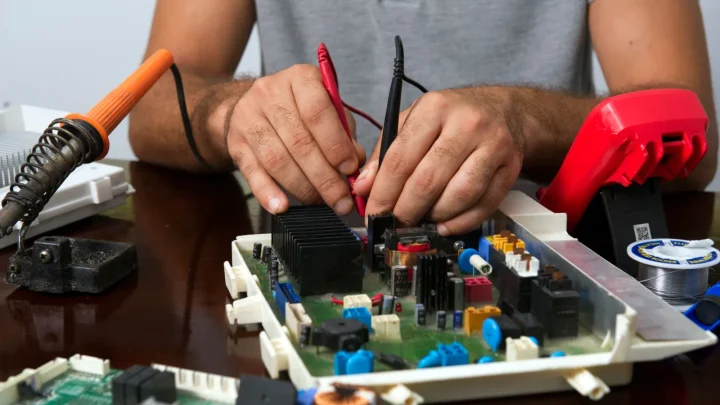
Set a digital multimeter to DC volts, 20 volt range if it is not auto ranging. Touch red to positive, black to negative, key off, everything unplugged. Wait at least 30 minutes after the engine last ran, since a fresh surface charge shows a falsely high reading.
12.6 to 12.8 volts means a full charge. 12.4 volts means roughly half charged, still workable but due for a charge soon.
12.2 volts or below means significantly discharged, needing a charger rather than a drive around the yard. Below 12.0 volts for more than a few days, a flooded or AGM battery heads into sulfation, where crystals harden on the plates and permanently reduce capacity.
Load Testing: The Number That Matters at the Trailhead
Resting voltage tells you state of charge. It does not tell you whether the battery can deliver current under load, the only job that matters when you turn the key.
A load test, either with a dedicated tester or by cranking the engine while a helper reads the meter, should keep the battery above 9.6 volts during the crank. Drop below that and the battery is failing under load even if it read 12.6 volts five minutes earlier at rest.
A carbon pile tester at a shop is most accurate, but a driveway test works too: charge the battery fully, disable the engine from starting, and crank for 5 seconds while watching the meter. A battery that sags to 7 or 8 volts and recovers slowly is done. Four to 6 years is a realistic AGM battery lifespan in regular use.
| System State | Voltage | What It Means |
|---|---|---|
| Resting, key off, 30+ minutes | 12.6 to 12.8 volts | Fully charged, healthy battery |
| Resting, key off | 12.4 volts | Roughly half charged, charge before riding |
| Resting, key off | 12.2 volts or below | Significantly discharged, charge now |
| Cranking under load | Above 9.6 volts | Battery is passing the load test |
| Cranking under load | Below 9.6 volts | Battery is failing, retest after charging or replace |
| Engine running, 2,000 to 3,000 rpm | 13.8 to 14.7 volts | Charging system is working correctly |
Finding a Parasitic Draw Before It Kills a Second Battery
A parasitic draw is any circuit still pulling current with the key off. Every UTV has some draw, like a clock, an alarm module, or a fuel injection computer holding memory. Normal key-off draw stays under 0.05 amps, about 50 milliamps.
To measure it, disconnect the negative battery cable and set a multimeter to DC amps, or better, use a low-amp inductive clamp so the circuit never breaks. Give the computer a few minutes to fall asleep first, since most modules pull higher current for 5 to 20 minutes after key off.
Anything over 0.05 amps at rest is worth chasing. Pull fuses one at a time, meter connected, until the draw drops, and that circuit is your culprit. Usual suspects: a winch solenoid wired ahead of the main switch, a stereo amp, or a light bar controller that never powers down.
A shop technician sees the same story constantly. A customer replaces a battery, it dies again in 6 to 8 weeks, and the real problem was a 0.3 amp draw from a winch remote receiver left wired hot the whole time.
Flooded Lead-Acid, AGM, or Lithium: Which One Fits Your Machine
Three chemistries show up in UTVs, and each one fits a different owner and budget.
Flooded Lead-Acid
The cheapest option, typically 45 to 90 dollars. It needs to stay upright, needs periodic water top-offs on serviceable versions, and loses charge fastest in cold storage. Fine for a machine ridden weekly and stored in a heated space.
AGM (Absorbed Glass Mat)
The factory choice on most 2014 and newer Polaris, Can-Am, and Honda side by sides. Sealed, spill proof, and self discharges slower than flooded, typically losing 1 to 3 percent of charge per month. Expect to pay 100 to 200 dollars, a safe default for most UTVs built in the last decade.
Lithium (LiFePO4)
Roughly half the weight of an equivalent AGM, and it holds voltage flatter across its discharge curve. Costs more, typically 150 to 350 dollars, and needs a charger built for lithium chemistry, not a standard AGM setting. Good for a lighter build, but a poor match for extreme cold, since lithium cells can refuse charge below about 32 degrees Fahrenheit.
Charging Without Damage: Rates, Times, and Settings
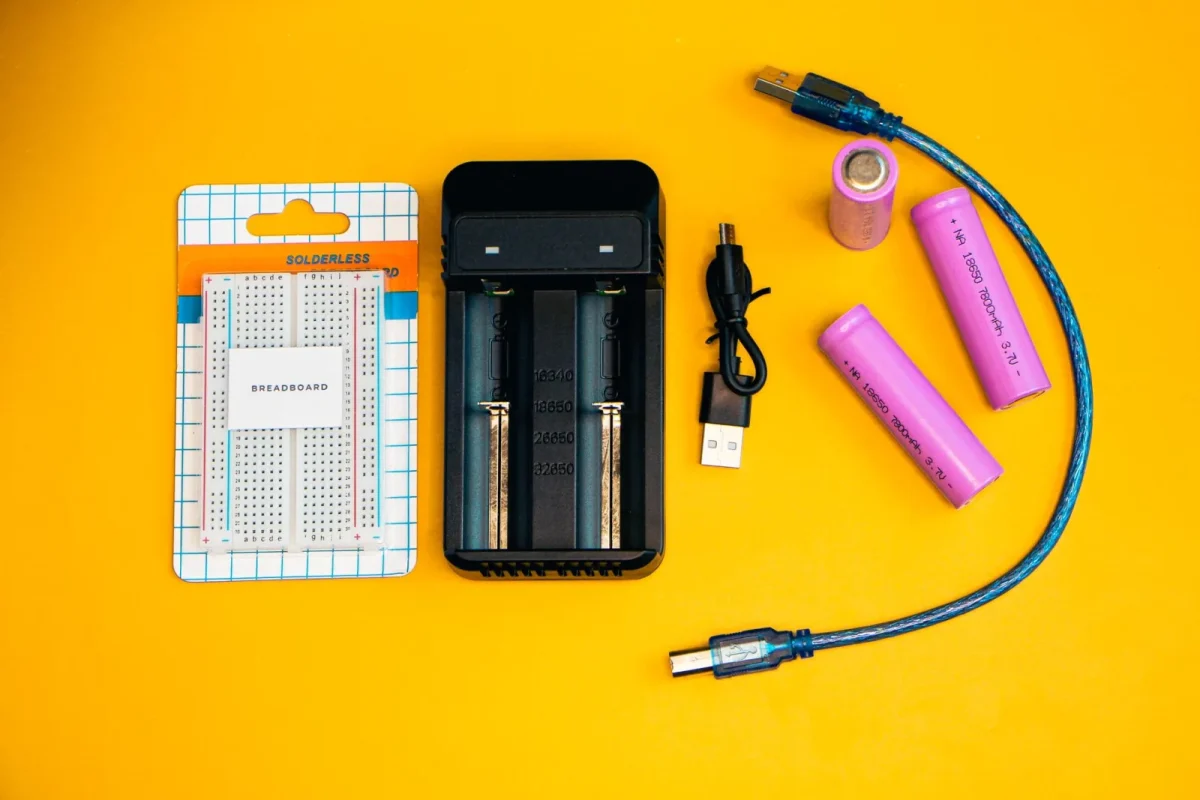
A dead or deeply discharged battery needs a charger, not a jump and a prayer. Flooded and AGM both tolerate a standard automotive charge profile, but lithium needs a charger with a dedicated LiFePO4 setting or a battery management system that can refuse an incompatible charge.
For a typical UTV battery rated 18 to 30 amp hours, charge at 2 to 4 amps rather than a high current setting meant for a car battery. A full charge from deeply discharged takes 6 to 12 hours at that rate. Chargers above 10 amps can overheat a small case and warp flooded plates.
Never charge a flooded battery in a sealed space. It vents hydrogen gas while charging, and that gas turns a stray spark into a real explosion. Charge in a ventilated area, connect the clamps before you plug in the charger, and unplug it before you unclip the cables.
Safety
Lead-acid batteries produce hydrogen gas while charging and can vent it during hard use too. Keep sparks, cigarettes, and open flame away from the battery.
Wear eye protection when cleaning terminals, and rinse any acid contact on skin immediately with water. A swollen or cracked case means stop and replace.
How the Charging System Keeps the Battery Topped Off
Once the engine runs, the stator and regulator or rectifier take over, converting AC output into DC at a steady charging voltage. On a healthy UTV, that reads 13.8 to 14.7 volts at the battery with the engine running above idle.
Below 13.6 volts running, the charging system is not keeping up, and the battery slowly drains even while you ride. Above 15 volts, the regulator is overcharging, which cooks electrolyte out of a flooded battery and shortens AGM life fast. Either reading points to the charging system, not the battery.
Test this at a fast idle, around 2,000 to 3,000 rpm, meter still on the terminals. A reading that climbs at idle but drops under electrical load (lights, winch, accessories) points to a marginal stator or regulator, not a dead battery.
A Quick Battery Health Check
Run through this before a big ride, after any storage longer than 2 weeks, or anytime cranking feels weak.
- Let the machine sit at least 30 minutes with the key off before testing.
- Check resting voltage at the terminals and look for 12.6 to 12.8 volts.
- Load test while cranking and confirm voltage stays above 9.6 volts.
- Start the engine and check charging voltage reads 13.8 to 14.7 volts at 2,000 to 3,000 rpm.
- Inspect terminals for corrosion or looseness, and clean any white or greenish buildup.
- Check the case for swelling, cracks, or a rotten egg smell.
- Measure key-off draw and confirm it stays under 0.05 amps.
Where to Go From Here
A battery that fails a load test after a full charge needs replacement, full stop. Match the case size and terminal layout to your model, since Polaris, Can-Am, Honda, Yamaha, and Kawasaki all use different tray dimensions. Lean toward AGM unless you have a specific reason to choose flooded or lithium.
A battery that passes a load test but keeps going dead in storage almost always points to a parasitic draw, not a bad cell. Chase the amperage before you spend another 150 dollars on a battery that was never the problem.
The guides ahead cover each piece in more detail: tracking a parasitic draw circuit by circuit, choosing a charger and maintainer for winter storage, and picking the right replacement battery for your model. Start with the resting voltage test above, write the number down, and you will know which guide to read next.
For a closer look at a related issue, see Choosing the Right Battery for a Polaris RZR.
For a closer look at a related issue, see Choosing the Right Battery for a Polaris RZR.
Frequently asked questions
How long does a UTV battery last?
Most factory AGM batteries last 3 to 5 years with regular use and proper storage. Flooded batteries often fall short of that, closer to 2 to 4 years, especially in hot climates. Lithium batteries can last 6 to 10 years if the charging system and cold weather limits are respected.
Can I jump start a UTV with a car battery or jump box?
Yes, as long as the jump source is also 12 volts and polarity is correct. Connect positive to positive, then connect negative to a solid ground point away from the battery rather than the negative post, since that avoids sparking near any gas the battery may be venting.
Why does my UTV battery die every winter?
Cold slows the chemical reaction inside a battery, and a battery holding 12.2 volts can lose roughly a third of its cranking power at 0 degrees Fahrenheit compared to 80 degrees. Add a small parasitic draw over 3 or 4 months of storage, and a marginal battery will not survive winter without a maintainer.
Is it safe to charge a UTV battery while it is still connected?
For a quick top off at low amperage, 2 to 4 amps, yes, on most modern UTVs. For a full charge over many hours, disconnect the negative cable first to protect sensitive electronics from voltage spikes, and always charge in a ventilated space.
What size battery does my UTV need?
Case size and terminal placement vary by model and year, even within the same brand's lineup. Check the group size and cold cranking amp rating stamped on the original battery, or listed in the owner's manual, before buying a replacement rather than assuming any 12 volt battery will physically fit.

Vidya Verma
Vidya Verma is a UTV and powersports technician with hands-on experience diagnosing electrical, charging, and starting problems on Polaris, Can-Am, and other side-by-side platforms. She writes practical, workshop-tested repair guides that help owners troubleshoot faults, choose the right parts, and get their machines running reliably in the field. When she's not under the hood, she's out riding trails and stress-testing the same fixes she recommends.