Key takeaways
- Charging voltage above 15 volts at 3000 rpm means the system is overcharging the battery.
- A swollen or warped battery case cannot be saved and should be replaced right away.
- A corroded regulator ground can fool the regulator into overcharging a perfectly good battery.
- Lithium battery swaps can spike voltage past 15 volts if the regulator was not built for them.
- Testing the ground costs about 20 minutes and nothing else, so do it before buying a new regulator.
Your battery is four months old and already bulging at the sides. Pop the vent caps, if it has any, and the smell that hits you is unmistakable: rotten eggs.
That is not a weak battery. That is a charging system pushing too many volts into it and cooking it from the inside.
Overcharging is quieter than a no-charge fault. A dead charging system leaves you stranded on the trail, so it gets diagnosed fast. An overcharging system just keeps running, boiling electrolyte a little more every ride, until a battery that should last two or three seasons dies in four months, or a headlight bulb pops for no obvious reason.
The fix starts with a meter, not a parts counter. Below is the test order that separates a failed regulator from a bad ground from the wrong battery, with the actual voltage numbers that mean trouble.
The First Signs of an Overcharging System
Overcharging rarely announces itself with a warning light. Watch for these signs instead.
Bulbs blow more than once in a season, especially bright LED pods wired straight to the battery. The battery case looks swollen, warped, or the vent caps bulge upward. A serviceable battery drinks water fast, needing a top off every few rides instead of every few months.
The regulator housing gets hot enough that you cannot hold a bare hand on it for more than a second or two after a ride. There is a sulfur smell near the battery box, even with the seat closed.
Any one of these is worth a meter check. Two or more together almost always means charging voltage is running past 15 volts.
What Pushes Voltage That High
Three things cause overcharging on an ATV or UTV, and a meter tells them apart in under 20 minutes.
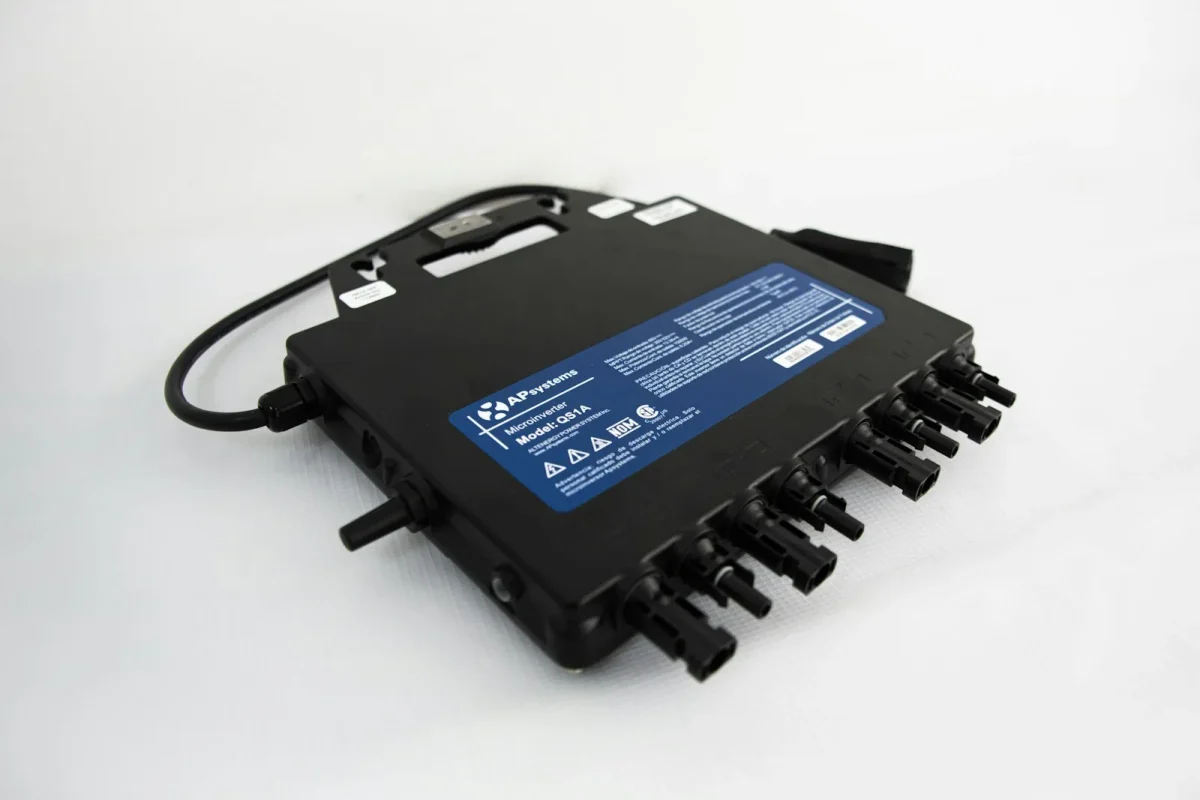
A failed regulator rectifier is the most common cause. Inside the unit, diodes and a shunt circuit divert excess AC to ground once the battery is full, holding system voltage at 13.8-14.7 volts. When that shunting circuit fails open, none of the raw output gets diverted, and voltage climbs unchecked, sometimes past 18 volts on a full failure.
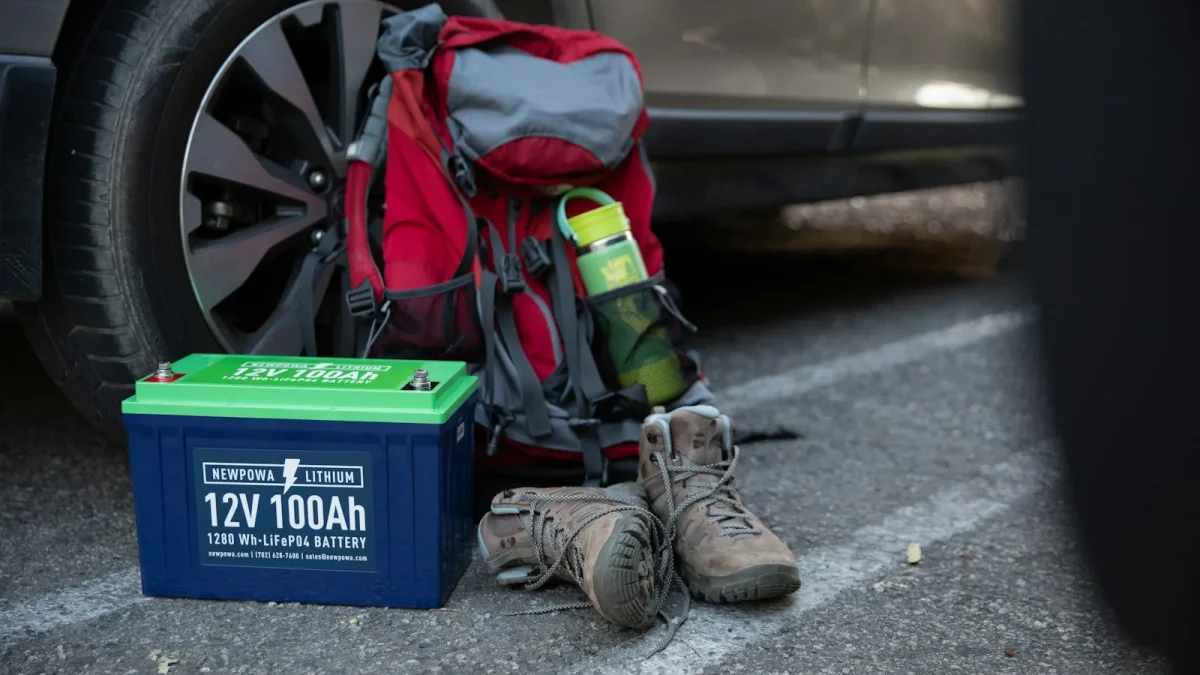
A wrong or incompatible battery is the second cause, and it shows up more since lithium batteries became a popular swap. A lead acid battery buffers the system, soaking up small overages before they show up as a voltage spike.
A lithium battery’s internal management system disconnects near full charge instead, and with nothing left to absorb the output, voltage can spike past 15 volts, briefly toward 18-20 volts, until the regulator catches up. If a regulator was not built for a lithium swap, this happens on nearly every full charge cycle.
A bad ground is the third cause, and the one owners miss most. Many regulators sense system voltage through the same chassis ground used for output.
A corroded or loose ground reads as lower voltage than what is actually present at the battery, so the regulator keeps boosting output to correct a problem that only exists in its own reference reading. The battery sees the real, higher voltage the whole time.
Read Charging Voltage at 3000 RPM
Set a multimeter to DC volts and clip it across the battery terminals, red to positive, black to negative. Read it three ways.
First, engine off, battery rested for at least 30 minutes: expect 12.6-12.8 volts. Second, engine idling: expect 12.8-13.5 volts, and do not worry if idle looks low, that is normal on most machines.
Third, hold the throttle steady at 3000 rpm for 30 seconds and read again. A healthy system settles at 13.8-14.7 volts and holds there. If the number keeps climbing past 15 volts and does not level off, the regulator is not shunting.
| Test Point | Normal Reading | Overcharge Reading | What It Means |
|---|---|---|---|
| Battery at rest, engine off | 12.6-12.8 volts | 13.0 volts or higher | Battery still holding excess charge from the last ride |
| Idle | 12.8-13.5 volts | 14.8 volts or higher | Regulator shunting even at low rpm, unusual and worth checking |
| 3000 rpm | 13.8-14.7 volts | 15.0 volts or higher | Regulator has failed open or lost its ground reference |
| 3000 rpm, lights and accessories on | 13.6-14.5 volts | 15.2 volts or higher | Confirms the fault holds up under real load, not just a light test |
Repeat the 3000 rpm reading twice, two or three minutes apart. A regulator that is starting to fail sometimes only overshoots after it warms up.
Check the Regulator Ground Before You Blame the Regulator
A bad ground is cheap to fix and easy to overlook, so check it before ordering a new regulator.
Find the regulator’s ground wire, usually black or black with a stripe, and trace it to its bolt on the frame or engine case. Loosen the bolt and look for green or white corrosion under the ring terminal. Clean both the terminal and the frame contact point down to bare metal with a wire wheel or sandpaper.
With the meter set to ohms, touch one lead to the regulator ground terminal and the other to the battery negative post. A clean ground reads under 0.3 ohms. Anything above 1-2 ohms is enough resistance to throw off the regulator’s reference and cause overcharging.
Reinstall the ground wire with a star washer if the original had one, and torque the bolt to about 15-18 ft-lbs. Snug plus a quarter turn is not enough. Retest charging voltage at 3000 rpm before touching anything else.
Tip
Test the ground before you buy a regulator. A high resistance ground reading fools plenty of owners into replacing a good part when a wire wheel and 20 minutes would have fixed it.
What an Overcharged Battery Looks and Smells Like
Once the voltage number reads above 15, look at the battery itself before deciding whether it can be saved.
A swollen or warped case means the plates inside have already buckled from the heat and gas pressure of boiling electrolyte. That battery is done.
No amount of charging brings it back, and running it further risks the case splitting and leaking acid onto the frame or wiring harness. A rotten egg smell means the battery is venting hydrogen sulfide gas faster than normal, another sign of ongoing overcharging rather than a one-time event.
On a serviceable battery, pull a vent cap and check the electrolyte level. Needing water every few rides instead of every few months confirms the same thing.
Danger
A swollen or boiling battery can vent hydrogen gas and battery acid. Do not attempt to charge it, do not connect jumper cables to it, and do not lean directly over it while testing.
Disconnect the negative cable first, let it cool in a ventilated area, and replace it. Wear eye protection any time you disconnect a battery in this condition.
I have seen this play out the same way in more than one driveway: an owner replaces the battery, it boils and swells again about six weeks later, and they replace it a second time before ever checking charging voltage. Two batteries at 90-160 USD each is 180-320 USD spent before the actual 40-150 USD regulator ever gets tested.
Fixing It: Regulator, Ground, and the Right Battery
Once the meter confirms overcharging, the fix follows the cause.
A failed regulator rectifier gets replaced, not repaired. Parts run 40-150 USD depending on model, and on most UTVs it bolts to the frame with two or three fasteners and unplugs from the stator and battery harness, a 30-60 minute job.
Match the connector and pin count exactly. A regulator built for a different electrical system will not hold correct voltage even if it physically bolts up.
A bad ground gets cleaned and retorqued as covered above, and costs nothing but time if that turns out to be the whole problem.
If a lithium battery swap is the cause, check with the battery manufacturer or the regulator’s specifications before keeping the lithium battery in place. Some regulators need a firmware update or a lower voltage setting to work safely with lithium chemistry, and some lithium batteries include their own voltage protection that handles it without changes.
Do not assume compatibility just because the battery physically fits the tray.
- Charging voltage confirmed above 15 volts at 3000 rpm on two separate readings
- Regulator ground resistance tested and under 1 ohm
- Battery type matches what the regulator was designed for
- Swollen or corroded battery replaced, not just recharged
- New regulator connector and pin count matched to the original
- Charging voltage retested after the fix and holding at 13.8-14.7 volts
Get the Voltage Right Before the Next Battery Goes In
A new battery dropped into a system that is still overcharging fails the same way in a matter of weeks. The battery is almost never the actual problem. It is just the part that shows the damage first.
Confirm the voltage with a meter before spending on parts. If the number sits above 15 volts at 3000 rpm, check the ground first since it takes 20 minutes and costs nothing, then move to the regulator if the ground reads clean.
Once a fresh regulator or a cleaned ground brings the reading back to 13.8-14.7 volts, the next battery installed should last through normal seasons of use, not just a few weeks of boiling.
Frequently asked questions
What voltage counts as overcharging on a UTV?
Anything above 15 volts at the battery with the engine held at 3000 rpm counts as overcharging on almost every ATV or UTV. A healthy system settles at 13.8 to 14.7 volts at that rpm and holds steady. Readings that keep climbing past 15 volts as rpm increases point to a regulator that has stopped shunting excess output.
Can a swollen UTV battery be saved by recharging it?
No. Once the case has bulged or warped, the plates inside have already buckled, and the battery needs to be replaced, not recharged. Continuing to run a swollen battery risks the case splitting and leaking acid onto the frame or wiring harness.
Can a bad ground cause overcharging instead of undercharging?
Yes. Many regulators sense system voltage through the same ground path used for output, so a corroded or loose ground reads as a lower voltage than what is actually present. The regulator then pushes output even higher trying to correct a problem that only exists in its own reference reading, and true battery voltage climbs past 15 volts.
Does switching to a lithium battery cause overcharging?
It can, if the stock regulator was designed around a lead acid battery. A lithium battery's internal management system disconnects near full charge, and without a lead acid battery's buffering effect soaking up the extra output, system voltage can spike past 15 volts, briefly reaching 18 to 20 volts until the regulator catches up. Confirm a regulator is rated for lithium before making the swap.
How much does it cost to fix a UTV that is overcharging the battery?
A replacement regulator rectifier typically runs 40 to 150 USD in parts depending on the model, plus about 30 to 60 minutes of labor if a shop handles it. A new battery adds 90 to 160 USD. A bad ground can cost nothing but a wire wheel and 20 minutes if that turns out to be the whole problem.

Vidya Verma
Vidya Verma is a UTV and powersports technician with hands-on experience diagnosing electrical, charging, and starting problems on Polaris, Can-Am, and other side-by-side platforms. She writes practical, workshop-tested repair guides that help owners troubleshoot faults, choose the right parts, and get their machines running reliably in the field. When she's not under the hood, she's out riding trails and stress-testing the same fixes she recommends.