Key takeaways
- A battery that dies mid ride almost always means the charging system cannot keep up, not just a weak battery.
- Charge and load test the battery first so you do not chase a stator problem that does not exist.
- A healthy charging system reads 13.8 to 14.7 volts at 3000 rpm, and 12.3 volts and falling means trouble.
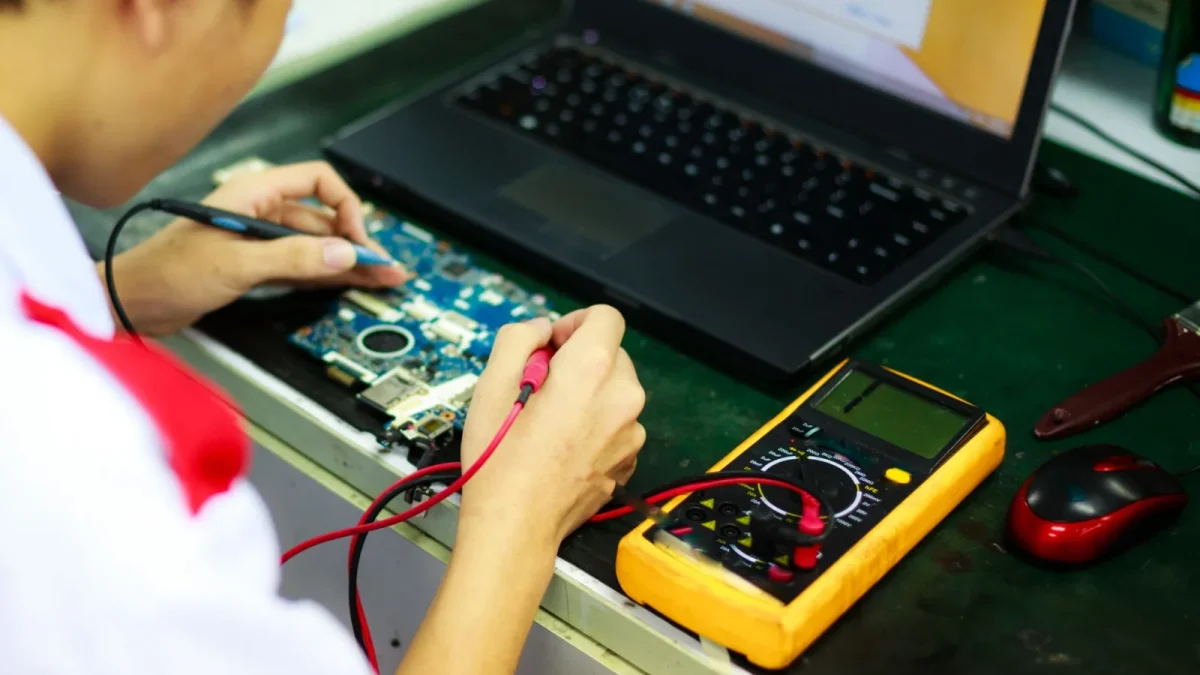
- Testing the stator and regulator with a multimeter takes about 20 minutes and points to the exact part that failed.
- Added lights, radios, and winches can overload a marginal charging system that worked fine before you installed them.
Eight miles into a Saturday ride, the engine just quits. No sputter, no warning light, just silence and the smell of dust settling around the machine. The rider hits the starter and it fires right back up, runs fine for another twenty minutes, then dies again on a hill climb.
That pattern, not a dead battery in the morning but a live one that fades mid ride, points at the charging system almost every time. The battery is not the villain here. It is the victim, running down because nothing is putting power back in fast enough to keep pace with the ignition, the fuel pump, and whatever lights or audio got bolted on since the machine was new.
This guide walks through the order to test it: confirm the battery itself, read actual charging voltage at idle and at 3000 rpm, then split the fault between stator and regulator. Every number below is a real target, not a guess, so you fix the part that actually failed instead of throwing parts at the problem.
Why the Battery Runs Down With the Engine Running
A UTV battery does two jobs. It cranks the engine and buffers the electrical system while the stator and regulator handle the ongoing load. When the charging system is healthy, it replaces every amp the battery gives up within a few minutes of riding.
When the charging system is weak, the battery keeps handing out amps and never gets them back. Voltage creeps down slowly, not all at once. That is why the engine often runs fine for a while before it starts missing, then finally dies and will not restart until the battery gets a rest or a charge.
This is different from a battery that is simply old or sulfated, which struggles to crank cold but rarely kills the engine mid ride the same way. A charging fault shows up specifically under running load.
Confirm the Battery Itself First
Before touching the stator or regulator, rule out the battery. A weak battery can mimic a charging problem and gives unreliable readings during testing.
Pull the battery and charge it fully with a smart charger set to 2 to 4 amps. Most UTV batteries are 12 volt, 18 to 30 amp hour AGM units and take 4 to 8 hours to reach a full charge from a partial drain.
Let it rest for 30 minutes, then check open circuit voltage. A healthy, fully charged battery reads 12.6 to 12.8 volts at rest, and anything below 12.4 volts after a full charge means it is losing capacity.
Load test it next. A good battery holds above 9.6 volts for 15 seconds under load before the voltage collapses. If it drops below that quickly, replace the battery before testing anything else.

Read Charging Voltage at Idle and at 3000 RPM
With a good battery confirmed, start the engine and read voltage right at the battery terminals, not at some accessory plug. At idle, most machines show 12.8 to 13.5 volts, which is normal since the regulator has not fully engaged yet.
Bring the engine up to 3000 rpm and hold it there for 10 to 15 seconds. A healthy charging system climbs to 13.8 to 14.7 volts and holds steady. A machine that dies mid ride commonly reads closer to 12.3 volts at 3000 rpm, drifting down instead of settling.
| Reading at the Battery | What It Means |
|---|---|
| Engine off, rested: 12.6 to 12.8 V | Battery is charged and healthy |
| Idle: 12.8 to 13.5 V | Normal, regulator just starting to contribute |
| 3000 rpm: 13.8 to 14.7 V | Healthy charging system keeping up with the load |
| 3000 rpm: near 12.3 V and falling | Classic dies while riding pattern, charging system not keeping up |
| 3000 rpm: below 13.0 V | Undercharging, stator or regulator suspect |
| 3000 rpm: above 15.0 V | Overcharging, regulator suspect |
Write down the exact number you see. It tells you whether to look at the stator, the regulator, or both.
Split the Fault Between Stator and Regulator
Two components make up most charging systems: the stator, which makes raw AC power off the spinning flywheel, and the regulator rectifier, which converts that AC to DC and holds it near 14 volts. Either one can fail the same way at the battery, so test them separately.
Testing the Stator
Unplug the stator connector and set the meter to ohms. Read resistance phase to phase between each pair of stator leads. A healthy three-phase stator reads low and roughly equal across all three pairs, typically 0.1 to 1.0 ohms, though exact numbers vary by model, so check the service manual for yours.
Then test each phase lead to ground, where you want an open circuit, essentially infinite resistance. Any continuity between a phase lead and the case or frame means a shorted stator.
With the stator confirmed on resistance, start the engine and switch the meter to AC volts. Read across each pair of stator leads at 3000 rpm. Output should climb well past 20 volts AC per pair and rise further with rpm, and low or uneven readings across the three pairs point at a failing stator even if resistance looked acceptable.
Testing the Regulator Rectifier
If the stator passes both tests, move to the regulator. Set the meter to diode mode and test across the rectifier’s output terminals.
Current should pass in one direction and read open in the other. A regulator that shows continuity both ways, or none at all, has failed internally.
- Charge the battery fully and let it rest 30 minutes before testing
- Load test the battery; it should hold above 9.6 volts for 15 seconds
- Read voltage at idle, then hold 3000 rpm for 10 to 15 seconds
- Unplug the stator and check resistance phase to phase and phase to ground
- Start the engine and check stator AC output at 3000 rpm
- Diode test the regulator rectifier in both directions
- Inspect the stator connector and main ground for corrosion or heat damage
- Add up the amp draw of every accessory installed since the machine was new
The Connector and Ground Most Riders Skip
A good stator and a good regulator can still add up to no charge if the connection between them is bad. The stator plug is exposed to heat, vibration, and water, and it is one of the more common failure points on machines with a few thousand miles.
Look for pins that are browned, melted, or pushed back out of the housing. A connector running hot enough to discolor the plastic is dropping voltage right at that joint, which starves the regulator of the AC it needs to convert.
Tip
Check the stator connector and the main frame ground before you order a new stator or regulator. A corroded plug or loose ground strap can mimic a genuinely failed part, and cleaning or replacing a 10 USD connector costs far less than a stator you did not need.
Clean the ground point back to bare metal and check it with the same ohms test used on the stator. A ground with more than a fraction of an ohm of resistance can confuse the regulator’s reference and cause undercharging or erratic output.

When Added Accessories Outrun the Stator
A shop customer brought in a Ranger 900 that died about 20 minutes into every ride, always the same pattern: fine at idle in the driveway, fine for the first few miles, then a slow fade until it would not stay running. He had already replaced the battery twice.
Charging voltage at 3000 rpm read 13.9 volts with everything off, right in the healthy range. With the light bar, stereo, and heated grips switched on, the same reading dropped to 12.6 volts and kept sliding the longer it ran. The stator and regulator were both fine.
Most stock charging systems only have 15 to 25 amps of surplus above what the ignition and fuel injection already use. A light bar can pull 5 to 10 amps, a stereo 3 to 8 amps, and heated grips another 3 to 5 amps, so two or three accessories together can erase all of that margin.
The fix here was not a new stator. A relay now shuts off the stereo and grips whenever the engine is off, and the light bar was swapped to LED, cutting its draw from 9 amps to about 3.
If your machine started dying after you added accessories, test with everything switched off first. A reading that holds at 13.8 to 14.7 volts with accessories off but sags once they switch on points to load management, not a warranty claim on parts that work fine.
Get It Confirmed Before You Order Parts
A battery that dies while you are riding almost always traces back to one of three things: a battery that cannot hold what it used to, a stator or regulator that has failed, or a connector and ground quietly costing you volts. Fifteen minutes with a multimeter tells you which one you are dealing with.
Test in order. Battery first, then charging voltage at idle and at 3000 rpm, then the stator, then the regulator, then the connector and ground. Skipping ahead is how people end up buying a 150 USD stator to fix a 10 USD connector problem.
Once you have a real number in front of you, whether that is 12.3 volts and falling or a stator reading open to ground, the repair is straightforward. Write the number down, compare it against the ranges above, and replace only the part the test actually points at.
Frequently asked questions
Why does my UTV battery die while riding but the machine starts fine at home?
Starting fine only means the battery has enough charge sitting in the garage. Dying mid ride means the charging system is not replacing what the engine and accessories use, so voltage slowly drops instead of holding steady near 13.8 to 14.7 volts at 3000 rpm.
Could this be a bad battery instead of a charging problem?
Yes, so test the battery first. Charge it fully, let it rest for 30 minutes, then load test it. A good battery holds above 9.6 volts under load for 15 seconds, and if it passes but still dies on the trail, the charging system is the problem.
What voltage should I see at the battery while riding?
At idle expect roughly 12.8 to 13.5 volts. At 3000 rpm a healthy system climbs to 13.8 to 14.7 volts. A reading near 12.3 volts that keeps falling as you ride is the classic sign of a charging system that cannot keep up.
How do I know if it is the stator or the regulator?
Unplug the stator and check resistance phase to phase. You want a low reading, usually 0.1 to 1.0 ohms, roughly equal across all three pairs, with no continuity from any phase to ground. If the stator checks out but the battery still is not charging, the regulator or its ground is the likely cause.
Can adding a light bar or stereo cause this problem by itself?
Yes. Many stock charging systems only have 15 to 25 amps of surplus above what the ignition and fuel pump already use. A light bar, stereo, and heated grips can add up to 15 amps or more, enough to drain the battery slowly even if the stator and regulator both work fine.

Vidya Verma
Vidya Verma is a UTV and powersports technician with hands-on experience diagnosing electrical, charging, and starting problems on Polaris, Can-Am, and other side-by-side platforms. She writes practical, workshop-tested repair guides that help owners troubleshoot faults, choose the right parts, and get their machines running reliably in the field. When she's not under the hood, she's out riding trails and stress-testing the same fixes she recommends.