Key takeaways
- A failing neutral safety switch almost always shows up as a no crank that comes and goes with gear position.
- A continuity test with a multimeter set to ohms takes about five minutes and rules the switch in or out for good.
- Corroded connector pins cause the exact same symptoms as a failed switch, so check the plug before buying a new part.
- Wiggling the shifter while watching the meter catches an intermittent switch that a quick static test will miss.
- Never leave a jumper wire across the switch as a permanent fix, since that defeats a safety feature meant to stop the machine from lurching in gear.
Tuesday the Ranger cranked on the first turn of the key, same as always. Wednesday morning, nothing happened at all. Same battery, same key, same spot in the driveway, except the shift lever sat about half an inch further forward than usual.
Shove it hard into neutral, wiggle the lever twice, and the starter finally spins. That pattern, a crank that depends on exactly where the shifter sits, points at one part before anything else: the neutral safety switch.
This switch is small, cheap, and mounted where road grime and moisture collect. It tends to fail slowly, so the problem creeps in as an occasional maybe instead of a machine that simply will not run.
Here is how to find the switch, test it with a meter instead of guesswork, adjust it on models that allow adjustment, and tell a bad switch from a bad connector before you spend money on the wrong part.
What the Neutral Safety Switch Actually Does
Every UTV with electric start needs to confirm the transmission sits in park or neutral before the starter can engage. That job falls to a small switch mounted on the shift linkage or threaded into the transmission case.
When the shifter sits in park or neutral, the switch closes a circuit. That closed circuit tells the ECU or the starter relay it is safe to crank. Move the shifter into any drive gear and the switch opens, cutting that permission.
This is a safety feature, not an accessory to skip. A machine that could crank while in gear could lurch forward or backward the moment the starter spins, with nobody expecting it.
Most machines wire the switch in series with the start button or the starter relay coil. A few route the signal through the ECU instead, which can log a fault code when the input drops out.
Finding the Switch on Your Machine
Location changes by brand, but the switch almost always sits where the shift linkage meets the transmission, or clipped onto the shift detent plate.
On a Polaris Ranger or RZR, look for a small threaded switch screwed into the transmission case near the shift shaft. On a Can-Am Defender or Maverick, it usually mounts to the shift lever bracket, under the hood or under the seat.
Yamaha Wolverine and Viking models mount the switch on the transmission case near the shift fork shaft. Kawasaki Mule and Teryx machines usually place it on the shift linkage under the floorboard.
A handful of newer Polaris models use a multi position gear sensor instead of a simple switch, reading a different voltage for each gear off a resistor ladder. That sensor needs its own voltage based test, separate from the continuity check covered here.
Testing for Continuity at the Switch
Disconnect the negative battery cable first. Then unplug the switch connector and set a multimeter to the continuity or ohms setting.
With the shifter in park or neutral, touch the meter leads to the two switch terminals. A good switch reads close to 0 ohms, usually under 1 ohm, and most testers will beep.
Shift into any gear and test again. The reading should jump to OL, meaning open circuit. A switch that stays closed in gear, or stays open in neutral, is bad.
Testing at the connector, on the wiring side rather than the switch side, confirms the circuit is intact. Backprobe the two pins with the connector plugged in and the shifter in neutral. You should read battery voltage on one side and a solid ground path on the other.
| Brand and Model | Typical Switch Location | Reading in Neutral | Reading in Gear |
|---|---|---|---|
| Polaris Ranger, RZR (2015 and newer) | Threaded into transmission case near shift shaft | Under 1 ohm, closed | OL, open |
| Can-Am Defender, Maverick | Mounted on shift lever bracket | Under 1 ohm, closed | OL, open |
| Yamaha Wolverine, Viking | On transmission case at shift fork shaft | Under 1 ohm, closed | OL, open |
| Kawasaki Mule, Teryx | On shift linkage under floorboard | Under 1 ohm, closed | OL, open |
The Wiggle Test: Catching an Intermittent Fault
A switch that passes a static test can still be the problem. Worn contacts, or a hairline crack at the terminal, only show up under movement.
Leave the meter connected in continuity mode with the shifter in neutral. Wiggle the shift lever gently side to side, then push down and pull up on the linkage rod near the switch itself.
A good switch holds a steady reading the whole time. If the meter flickers, beeps on and off, or jumps to OL for even a fraction of a second, that switch or its connector is marginal and will eventually leave you stranded.
Run the same wiggle test at the connector, working the plug gently while watching the meter. A connector with corroded or spread pins will flicker even when the switch inside is perfectly healthy.
Neutral Safety Switch Diagnostic Checklist
- Disconnect the battery negative cable before unplugging any connector.
- Test continuity in neutral (under 1 ohm) and in gear (OL, open circuit).
- Wiggle the shift lever and the linkage rod while watching the meter for flicker.
- Inspect the connector for corrosion and clean it with contact cleaner and dielectric grease.
- Check wiring for chafing near the frame or exhaust heat shield.
- Adjust the switch position if your model allows it, then retest before reassembly.
- Reconnect the battery and confirm cranking happens in park and neutral only.
Adjusting a Misaligned Switch
Some machines mount the switch on a bracket with slotted holes, built so a technician can fine tune exactly when it opens and closes.
Loosen the one or two mounting bolts, usually 10 millimeter, and rotate or slide the switch slightly while watching the continuity reading as you move the shifter through neutral and into gear.
The goal is a clean break right at the edge of neutral, not two inches into first gear and not still closed halfway into reverse. Snug the bolts down once it closes solidly in neutral and opens everywhere else, typically 84 to 96 inch pounds on the small fasteners, though specs vary by model.
Not every model allows adjustment. If the switch bolts straight to the case with no play in the mounting holes, the only fix is replacement, which usually runs 15 to 45 dollars for an aftermarket part or 40 to 90 dollars for an OEM switch.
When the Connector Is the Real Problem
Neutral safety switch connectors sit low on the machine, in the path of mud, water, and road salt. Corrosion here causes the exact same symptoms as a failed switch.
Unplug the connector and look for green or white powder on the pins, or brown discoloration on the plastic housing. Either one means moisture has been getting in.
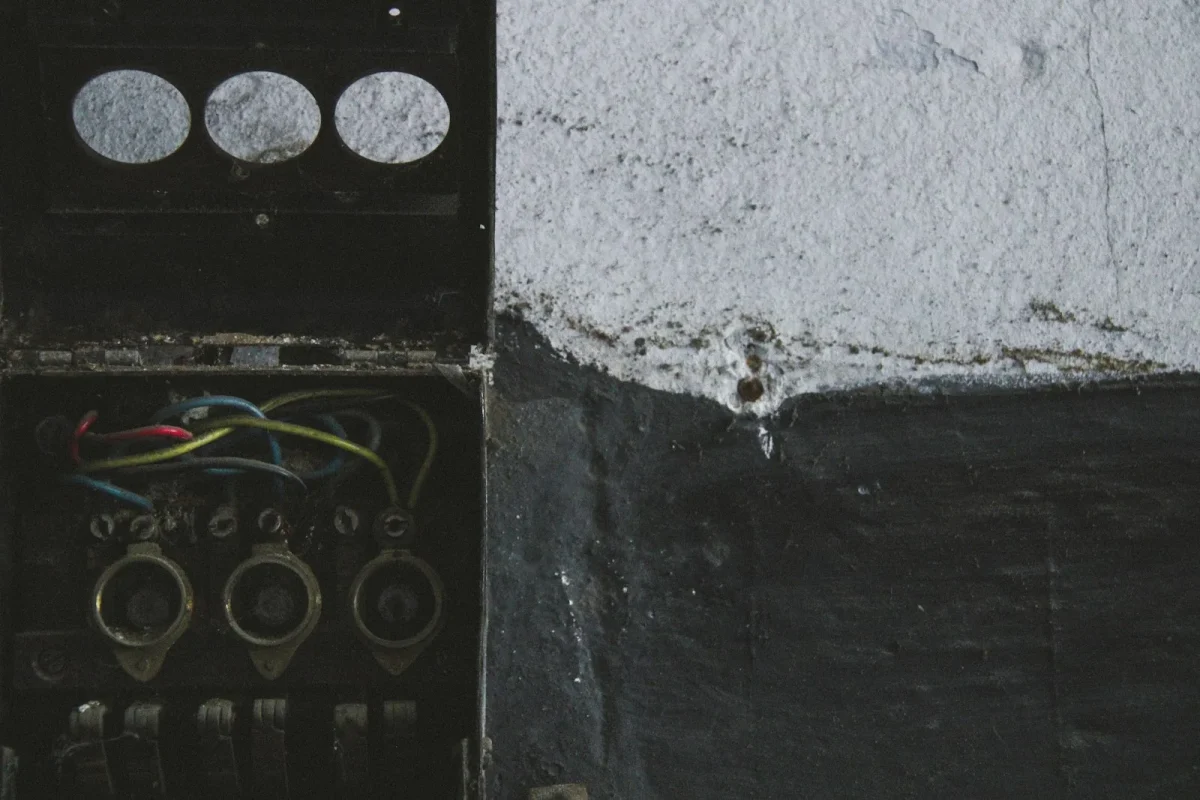
Clean the pins with electrical contact cleaner and a small brush, dry the connector fully, then pack it with a thin layer of dielectric grease before reconnecting. This takes about 15 minutes and fixes plenty of no crank complaints that owners assumed needed a new switch.
If the connector looks clean but the wire has been chafing against a frame edge or an exhaust heat shield, check for a nick in the insulation a few inches back from the plug. A partial short there can mimic a stuck open or a stuck closed switch.
Tip
Keep a spare connector pigtail with terminals in your parts box. Splicing in a fresh section of wire and terminals costs under 10 dollars and solves corrosion problems cleaning alone cannot fix.
A No Crank That Only Happened in Reverse
A shop I know spent a full afternoon on a Ranger that cranked fine in neutral and park but went dead the moment the shifter touched reverse. The owner was certain the starter was failing, since jumping the solenoid directly always got the engine running.
The neutral switch turned out to be fine. The real fault was a second, smaller reverse interlock switch tied into the same crank permission circuit, one most owners never notice because it rarely fails. Corrosion had crept into that connector after a creek crossing the previous summer.
A 20 minute continuity check at that second connector, instead of another hour chasing the starter, would have solved it before lunch. When the no crank pattern only shows up in one specific gear, check every switch tied to that circuit, not just the obvious neutral switch.
Safety
Jumping the starter solenoid directly, or wiring around the neutral safety switch, gets a machine running, but never leave that connection in place. A UTV that can crank and lurch forward while in gear has hurt people standing beside it or still on the ground.
Getting Your Machine Reliable Again
A neutral safety switch problem is satisfying to chase, because a 20 dollar meter gives a clear yes or no answer in minutes instead of a guess.
Start with the static continuity test, move to the wiggle test if the first pass looks clean, and check the connector before ordering a new switch. Most of the time the fix costs less than a tank of gas and takes under an hour in the driveway.
If you have tested the switch, the connector, and the wiring, and the machine still will not crank in neutral, move on to the starter relay and the ignition switch next. Both sit in the same circuit and share the blame more often than owners expect.
Frequently asked questions
Can I bypass the neutral safety switch to get my UTV running?
You can jump the switch terminals temporarily to confirm it is the fault, but never leave that jumper in place. A machine that cranks in gear can lurch without warning, and that has caused real injuries.
Why does my UTV crank in neutral but not in park?
This usually points at a switch or connector that only makes solid contact in one of the two positions. Test continuity in both park and neutral separately, since a worn switch can pass one and fail the other even though both should read closed.
How much does a neutral safety switch cost to replace?
Most aftermarket switches run 15 to 45 dollars, while OEM parts typically cost 40 to 90 dollars depending on the brand and model. Labor is usually under an hour if the switch is accessible without removing other components.
What does it mean if the meter reads OL when I test the switch in neutral?
OL means open circuit, which is the correct reading in gear but the wrong reading in neutral or park. If you see OL with the shifter in neutral, the switch is either misadjusted, corroded, or failed internally.
Can a dead or weak battery cause the same no crank symptom as a bad switch?
Yes, and it is worth ruling out first since it takes under a minute. A battery under 12.4 volts at rest may not crank the engine even with a perfectly good neutral safety switch, so check voltage before you start pulling connectors.

Vidya Verma
Vidya Verma is a UTV and powersports technician with hands-on experience diagnosing electrical, charging, and starting problems on Polaris, Can-Am, and other side-by-side platforms. She writes practical, workshop-tested repair guides that help owners troubleshoot faults, choose the right parts, and get their machines running reliably in the field. When she's not under the hood, she's out riding trails and stress-testing the same fixes she recommends.