Key takeaways
- A second battery only helps when something draws power while the engine is off, like a fridge, lights, or a winch used without the motor running.
- Choose a voltage sensitive relay for two matching batteries and a DC to DC charger when you add lithium or a long wire run.
- Fuse every hot wire within about 7 inches of each battery terminal, not just one end of the circuit.
- Match wire gauge to the real amp draw, stepping up to 4 gauge or heavier for anything near 80 to 100 amps.
- Check charging voltage before buying parts, since a weak stator needs fixing before a second battery can help.
Third morning at deer camp, the Ranger cranked slower than the day before. By the fourth morning it just clicked once and went quiet. The fridge in the bed ran all night, and the single battery under the hood was never sized to run camp gear and still start the engine.
That is not a bad battery story. That is a not enough battery story, and the same pattern shows up with a winch, a light bar, or a stereo wired straight to the main battery.
A second battery fixes this without babysitting a charger every weekend. Done right, it isolates the accessory load from the one that has to crank the engine. This guide covers when a second battery earns its keep, the two common ways to wire one in, sizing, protection, and where a small stator can still leave you short.
Do You Actually Need a Second Battery
Not every accessory justifies a second battery. A winch used a few times a season with the engine running rarely drains anything, because the stator is supplying power while you spool cable in or out.
The trouble starts with anything that draws current while the engine is off: a fridge at camp, a stereo at the trailhead, lights left on for a photo stop, or a winch used with the engine dead. Add up more than about 10 to 15 amp hours of parked draw in an evening, and a small starting battery, often only 18 to 20 amp hours total, is in trouble by morning.
If that sounds like your rig, a second battery is worth the half day of work. If your accessory list is just a light bar for two minutes at a time, spend the money on a battery tender instead.
Isolator or DC to DC Charger: Pick Your Method
There are two common ways to keep a second battery charged without wiring it straight to the main battery. Both work. They solve slightly different problems.
Voltage Sensitive Relay or Isolator
A voltage sensitive relay, sometimes sold as an isolator, watches the voltage on both batteries. Once the engine is running and system voltage climbs to roughly 13.0 to 13.3 volts, it closes a heavy contact and ties the two batteries together so both charge at once. When voltage drops back to near 12.6 to 12.8 volts, meaning the engine has shut off, it opens again and the batteries separate.
A voltage sensitive relay is simple, cheap, often 60 to 120 USD, and needs no programming. Its catch is that it just parallels the batteries, so if the stator is already weak, both compete for the same limited amps and neither charges quickly.
DC to DC Charger
A DC to DC charger is a small box that takes whatever voltage the stator produces and outputs a proper multi stage charge, bulk, absorption, and float, at 20 to 40 amps. It also lets you charge a lithium battery correctly and makes good use of a weak solar input.
DC to DC units cost more, generally 150 to 400 USD, and need a bit more wiring knowledge. They are the better choice when the second battery is lithium, the two batteries are different chemistries, or the wire run between them is long.
| Feature | Voltage sensitive relay (isolator) | DC to DC charger |
|---|---|---|
| Typical cost | 60 to 120 USD | 150 to 400 USD |
| Charging style | Parallels both batteries once voltage is high enough | Full multi stage charge: bulk, absorption, float |
| Best battery match | Both AGM or both flooded, similar age | Lithium second battery, or mixed chemistries |
| Long wire runs | Loses performance with voltage drop | Corrects for voltage drop along the way |
| Typical output | Limited by whatever the stator provides | 20 to 40 amps, regulated |
| Good fit for | Simple builds, short wire runs, matched batteries | Lithium, long runs, mismatched batteries |
Sizing the Second Battery to the Job
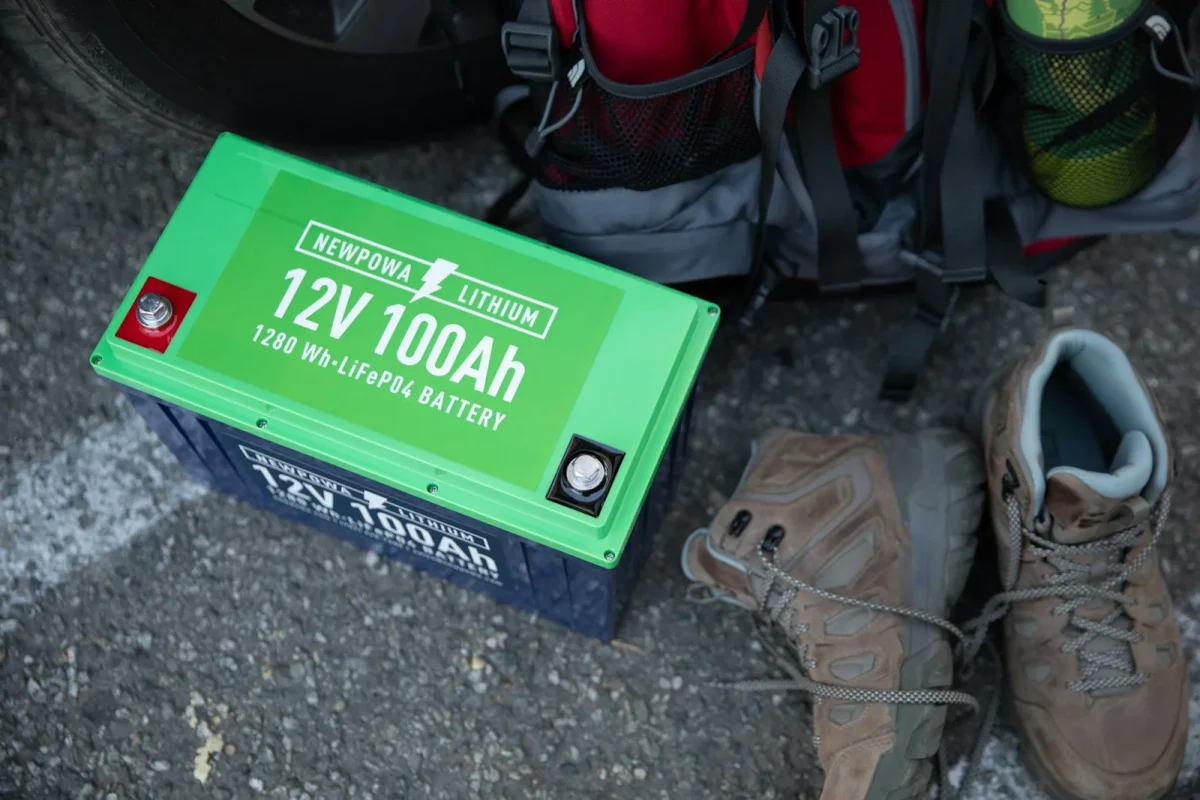
Match the second battery to the job, not to whatever fits in the empty corner of the bed. For lights, a stereo, and a dash cam, a group U1 AGM battery in the 18 to 35 amp hour range is usually plenty.
For a fridge running all night or a winch used with the engine off, look at 35 to 60 amp hours of AGM, or 30 to 50 amp hours of lithium if weight and budget allow. Lithium runs 200 to 400 USD versus 90 to 180 USD for AGM, but tolerates a deeper discharge and weighs roughly half as much.
Keep both batteries the same chemistry unless a DC to DC charger separates them. Mixing a flooded battery with a lithium battery on a straight isolator charges one of them wrong every single time.
Wire Gauge and Fusing That Will Actually Hold Up
Undersized wire is the most common mistake on a second battery install. For a run under 10 feet carrying 30 amps, use 10 gauge wire at minimum. Step up to 8 gauge for 50 amps, and 4 gauge for 80 to 100 amps, like a winch fed through the auxiliary battery.
Every hot wire needs a fuse within about 7 inches of the battery terminal it connects to, on both batteries, not just one. That protects the wire itself if it shorts to frame, not only the accessory at the far end.
Safety
Fuse both ends. A second battery with no fuse near its own terminal turns every inch of hot wire between the batteries into an unprotected fire risk if it chafes through to bare metal. A 40 to 60 amp fuse rated for the wire, mounted right at the terminal, takes about ten minutes to add and can prevent a melted harness.
Mounting for UTV Vibration
UTVs shake harder than a truck, and a battery that shifts inside its box eventually cracks a terminal or the case. Use a marine grade box or tray rated for the battery weight, with a hold down strap that stops it from lifting under a hard landing, not just sliding sideways.
Mount it away from mud and direct water spray where you can, and keep the terminals covered. A battery bouncing loose against a fender for a season turns a fifty dollar bracket problem into a two hundred dollar battery replacement.
Do Not Outrun a Small Charging System
A second battery does not create extra charging power. It only stores what the stator already makes. Most stock UTV charging systems put out roughly 25 to 45 amps at a fast idle, and a chunk of that is already spoken for by the ECU, ignition, cooling fan, and lights.
Add a winch, a full light bar, and a stereo amplifier pulling 30 amps combined while cruising, and a 40 amp stator falls behind even with two batteries sharing the load. Batteries buy reserve time. They do not create more amps than the charging system can produce.
Tip
Before adding a second battery, check charging voltage at the battery with the engine at a fast idle. Anything from 13.8 to 14.7 volts means the stator is keeping up. Below 13.2 volts under load, fix the charging system first, or the second battery just becomes a bigger hole to fill.
A Real Accessory Heavy Build
A common setup that comes through the shop: a 4,500 to 6,500 pound winch, a 20 inch light bar, a mid size stereo amplifier, and a 12 volt fridge for weekend trips. That is four draws sharing one 20 amp hour starting battery, and the owner was jump starting the machine every other Saturday.
The fix was a 40 amp DC to DC charger, a 40 amp hour AGM second battery under the passenger seat in a sealed box, 8 gauge wire for a run of about 6 feet, and a 50 amp fuse within 2 inches of each terminal. Total parts cost landed around 310 USD, most of a Saturday afternoon in labor, and the starting battery has held a full charge every trip since.
Before You Buy: Plan It Out First
- Confirm what actually draws power with the engine off, and add up the amp hours.
- Check charging voltage at a fast idle before assuming a second battery will fix anything.
- Decide between a voltage sensitive relay and a DC to DC charger based on battery chemistry and wire run length.
- Match second battery amp hours to the heaviest overnight or engine off load.
- Size wire to the actual amp draw, not just what was already in the parts bin.
- Fuse within about 7 inches of both battery terminals, not just one.
- Mount in a sealed box with a real hold down strap, not a bungee cord.
A second battery is a wiring project, not a shopping trip. Buy the isolator or DC to DC charger, the battery, the fuse, and the correct wire together, and the job is usually done in an afternoon with hand tools.
If charging voltage checked out low before you started, fix that first. A tired stator with two batteries attached just runs out of steam more slowly. It does not solve the underlying problem.
Test it before you trust it. Run the accessories you actually use, engine off, for the stretch of time you expect at camp or on the trail, then check both battery voltages the next morning. If the starting battery still reads above 12.4 volts, the setup earned its keep.
Frequently asked questions
Can I just wire two batteries together instead of using an isolator?
You can, but a direct connection ties both batteries together all the time, so a parasitic draw or a dead accessory battery pulls the starting battery down too. A voltage sensitive relay or a DC to DC charger keeps that from happening for the cost of one part and about an hour of labor.
Do I need a second battery just for an occasional winch pull?
Usually not, if you winch with the engine running. A winch can draw 80 to 200 amps under load, but the stator is helping supply that while the engine turns. A second battery matters more when you winch with the engine off or stack a fridge and lights on top of it.
Can I mix two different battery brands or ages on one system?
Match the chemistry, both AGM or both flooded, or isolate a lithium battery with a DC to DC charger, and try to keep the age within a year or so. An old, weak battery paired with a new one on a shared isolator drags the new battery down every charge cycle.
Where is the best place to mount a second battery on a UTV?
Anywhere there is room in a sealed box away from direct water spray, commonly under a seat, behind the cab, or in a corner of the cargo bed. Keep the wire run to the main battery as short as practical, since every extra foot adds voltage drop and cost.
Will a second battery wear out my stator faster?
The battery itself does not pull extra power, but the accessories behind it do. If those accessories draw more than the stator produces at your typical rpm, both batteries drift down over a long day, so check charging output before adding more accessories.

Vidya Verma
Vidya Verma is a UTV and powersports technician with hands-on experience diagnosing electrical, charging, and starting problems on Polaris, Can-Am, and other side-by-side platforms. She writes practical, workshop-tested repair guides that help owners troubleshoot faults, choose the right parts, and get their machines running reliably in the field. When she's not under the hood, she's out riding trails and stress-testing the same fixes she recommends.