Key takeaways
- A resting voltage below 12.4 volts means the battery needs a full charge before you blame the starter.
- Ethanol pump gas starts breaking down in as little as 4-8 weeks, so old fuel is often the real problem.
- Fuel injected Grizzly 700 EPS models should hum for 2-3 seconds when the key hits ON, and silence there points to the pump or its fuse.
- Carbureted 550 and 660 models can fail to start from a stuck petcock even when the battery and fuel are both fine.
- A corroded ground behind the front fender can mimic a dead battery or a bad starter.
Deer season ended, the Grizzly went into the corner of the shed, and nobody touched it again until the first warm Saturday in March. That is the setup behind most of the calls I get every spring. The machine ran fine the last time it was ridden, then it sat for weeks or months, and now the key does nothing useful.
Sometimes it is one dry click. Sometimes the starter spins strong but the engine never catches. Sometimes it fires for a second and dies, like it is choking on something.
Each of those symptoms points somewhere different. Guessing at parts wastes money on a Grizzly that usually just needs the right wake up call.
A machine that sat for 4-8 weeks or a full season has a short list of predictable failure points: the battery, the fuel, the fuel delivery, the grounds, and rodents. Work through them in this order and most Grizzlies, the 550, 660, and 700 EPS alike, will fire back up within an hour of work.
Start With the Battery, It Fails First
Even a healthy battery loses charge just sitting on a shelf. A Grizzly with an aftermarket alarm, a clock, or a winch draws a trickle of current and drains faster than one left disconnected.
A battery that read 12.7 volts in November can easily read 12.0 volts or lower by February. That drop feels small on the meter, but it is the difference between a strong crank and a single dry click.
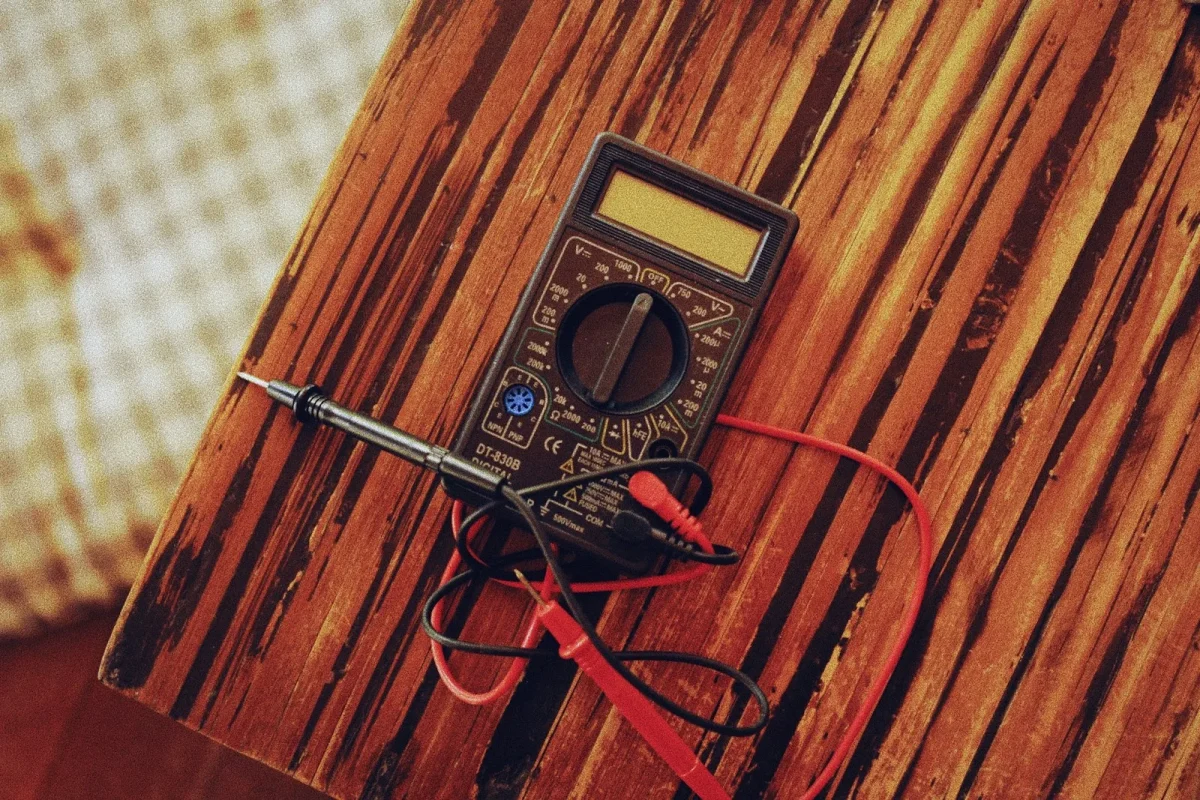
Pull the seat, find the battery, and check resting voltage with a multimeter before you touch anything else. Here is what that number means.
| Resting Voltage | State of Charge | What It Means |
|---|---|---|
| 12.6-12.8 volts | 100 percent | Healthy, should crank strong |
| 12.4 volts | About 75 percent | Borderline, charge and load test it |
| 12.2 volts | About 50 percent | Weak, charge before blaming the starter |
| 12.0 volts or lower | 25 percent or less | Likely to fail under cranking load |
| 11.8 volts or lower | Nearly dead | Charge fully, then retest before replacing |
A number on the meter only tells half the story. Charge the battery with a 2-4 amp charger for 8-12 hours, or overnight on a smart charger, then load test it.
Voltage should not sag below 9.6 volts while a helper cranks the engine over. If it drops to 8 volts or lower, the battery cannot deliver enough current, no matter how good it looks at rest.
A Grizzly typically runs a 12 volt, 12 amp hour battery rated around 200 cold cranking amps. A direct replacement costs $80-130, cheap insurance next to guessing at a starter or solenoid.
Stale Fuel Is the Silent Killer After Storage
Ethanol blended pump gas, the E10 you get at most stations, starts losing its lighter, more volatile components in as little as 4-8 weeks. Heat speeds that up. A shed that hits 90 degrees in September will age fuel faster than a cool garage.
Old gas smells different than fresh gas. Fresh fuel smells sharp and sweet. Stale fuel smells sour, almost like varnish or paint thinner.
If you catch that smell when you open the tank or pull a spark plug, do not just add fresh fuel on top of it.
On fuel injected 700 EPS models, stale fuel leaves gum and varnish in the injector, changing the spray pattern enough to stop clean firing. On carbureted 550 and 660 models, the same varnish collects in the float bowl and clogs the tiny jets that meter fuel at idle.
The Mistake I See Every Spring
A Grizzly 660 came into the shop last April after the owner had already cranked it a dozen times on fuel that had been sitting since October. He had also left the battery on a shelf all winter with no charger on it.
By the time I got to it, the cylinder was soaked with old gas and the battery read 10.9 volts at rest. A full charge, a drained float bowl, and fresh fuel had it running on the first try.
Nothing was actually broken. It just needed fuel and voltage it never got.
Confirm the Fuel Pump Is Actually Priming
Fuel injected Grizzlies use an electric pump inside or near the tank. Turn the key to ON without cranking and listen closely for a 2-3 second hum as the pump builds pressure and waits for a start signal.
No hum usually means a blown fuse, a bad relay, or a pump that failed after sitting with old fuel inside it. Check for a 15 amp fuse feeding the fuel system before you assume the pump is dead.
Yamaha‘s EFI Grizzlies run roughly 36-44 psi of fuel pressure at idle. Testing that takes a gauge threaded onto the schrader valve on the fuel rail, worth doing if the pump hums but the engine still will not catch.
Carbureted Models: Check the Petcock and the Bowl
The 550 and older 660 Grizzlies use a manual petcock with ON, RESERVE, and PRIME positions. After a season of sitting, the diaphragm can gum up or corrode, and the valve stops flowing even in ON.
Pull the fuel line off the carburetor inlet, hold it over a small container, and switch the petcock to PRIME. Fuel should flow within a few seconds under gravity alone. If nothing comes out, the petcock or the screen inside it is clogged.
While the bowl is open, look at the drain plug. Old varnish there looks like dried orange shellac. Carburetor cleaner and a few small wires sized to the pilot jet openings usually clear it without a full rebuild.
Mice and Corrosion Cause More Trouble Than People Expect
A shed or barn is also a mouse hotel. Rodents chew wiring insulation for nesting material, favoring the runs near the airbox and frame rails where it stays warm and hidden.
Chewed wiring causes weird, inconsistent symptoms: a starter that clicks once and quits, dash lights that flicker, or a machine that cranks but never gets spark. Pull the airbox lid and look for shredded paper or bare copper showing through the insulation.
There is also a ground connection behind the front fender on most Grizzly models, where a strap or eyelet ties the frame and engine back to the battery negative cable. Mud and road salt collect there and slowly corrode the connection until it barely conducts.
Disconnect that ground, clean both surfaces with a wire brush until they are bright metal, and check for continuity with a multimeter. A good ground reads close to 0 ohms. Several ohms of resistance, or no reading at all, explains a slow crank or no crank even with a fully charged battery.
Safety
Disconnect the negative battery cable before you clean grounds or dig into wiring, and keep any spark or flame away from the tank area when you drain old fuel. Ethanol vapor builds up fast in a closed shed.
The Revival Checklist
Work through these steps in order rather than jumping to the part that seems most likely. Most Grizzlies that sat all season need two or three items from this list, not a new starter.
- Charge the battery fully, then load test it before touching anything else
- Confirm resting voltage of 12.6-12.8 volts once charged
- Drain old fuel and check for a sour or varnish like smell
- Turn the key to ON and listen for the fuel pump prime on EFI models
- Cycle the petcock through ON, RESERVE, and PRIME on carbureted models
- Inspect wiring near the airbox and frame rails for chew marks
- Clean the ground connection behind the front fender and torque it back down
- Check the main fuse and starter relay before replacing the starter
Tip
Before the next storage season, add fuel stabilizer at 1 ounce per 2.5 gallons of fuel and run the engine for 5 minutes so treated fuel reaches the carburetor or injector, not just the tank.
When the Problem Is Something Else
If the battery, fuel, and grounds all check out, a few other parts can still block a start. The neutral safety switch can fail from corrosion and stop the starter circuit from engaging even in park.
A stuck kill switch left in a damp shed all winter can also cut ignition with no obvious sign. Wiggle it and check for continuity in the run position.
The starter relay should click audibly when the key is turned to start. No click with a good battery points to the relay, the main 30 amp fuse, or a connector corroded behind the front rack.
Getting It Back on the Trail
Most Grizzlies that will not start after sitting are not actually broken. They are low on charge, full of fuel gone bad, or held back by a connection that quietly corroded while nobody was looking.
Work through the battery first, then fuel, then the pump or petcock, then the grounds and wiring. That order solves most storage related problems without throwing parts at the machine.
If the battery is charged and load tested, fresh fuel is reaching the carburetor or injector, and every ground is clean, but the engine still will not start, it is time to pull codes on EFI models or take it to a shop with a wiring diagram. At that stage you are chasing something specific, not guessing.
Frequently asked questions
How long can a Yamaha Grizzly sit before the fuel goes bad?
Plain pump gas with ethanol starts to degrade in about 4-8 weeks, faster in a hot garage or shed. After 3 months untreated, expect varnish in the carburetor bowl or a gummed injector, so plan on draining the tank instead of adding fresh fuel on top.
What voltage should a healthy Grizzly battery show at rest?
A fully charged 12 volt battery rests at 12.6-12.8 volts. Anything at 12.4 volts or below is not necessarily dead, but it needs a full charge and a load test before you trust it to crank the engine.
Why does my Grizzly crank but not start after sitting all winter?
Strong cranking with no start usually points to fuel, not electrical parts. Check for a fuel pump prime hum on EFI 700 models, confirm the petcock is flowing on carbureted 550 and 660 models, and smell the fuel for a sour, stale odor before you keep cranking it.
Where is the ground connection that corrodes on Grizzly models?
Look behind the front fender near the frame, where a ground strap or eyelet connects the engine and frame back to the battery negative cable. Mud, road salt, and moisture collect there and slowly corrode the connection, which can cause a no start even with a strong battery.
Can I just jump start a Grizzly that sat all season?
A jump start can mask a battery that is truly worn out. If the battery needed more than one jump attempt, or would not hold 12.4 volts an hour after charging, replace it instead of relying on jumps every time you ride.

Vidya Verma
Vidya Verma is a UTV and powersports technician with hands-on experience diagnosing electrical, charging, and starting problems on Polaris, Can-Am, and other side-by-side platforms. She writes practical, workshop-tested repair guides that help owners troubleshoot faults, choose the right parts, and get their machines running reliably in the field. When she's not under the hood, she's out riding trails and stress-testing the same fixes she recommends.