Key takeaways
- A resting voltage below 12.0 volts means the battery needs a charge before any other test matters.
- The seat belt and parking brake interlock relay causes more Rhino no-start complaints than any other single part.
- Cranking voltage should never drop below 9.6 volts, even on a battery that reads fully charged at rest.
- A clean main ground keeps voltage drop under 0.2 volts and prevents the classic single click no crank symptom.
- The fuel pump should hum for 2 to 3 seconds after the key goes on, priming the carburetor before you crank.
The dash lights flicker, the fuel gauge sweeps to full, and then nothing happens. No crank, no click, just silence under a Yamaha Rhino that fired up fine the day before. A Yamaha Rhino won’t start for one of only a handful of reasons.
The Rhino 660 (2004-2007), Rhino 450 (2006-2009), and Rhino 700 (2008-2013) share the same charging, ignition, and fuel delivery layout, and the same short list of failure points, most fixable in under 30 minutes. The seven causes below are listed in the order a shop checks them, cheapest and fastest first.
Gather these items before you start testing.
- Digital multimeter set to DC volts and ohms
- Spare fuses matching the fuse box ratings
- Flashlight for the electrical box under the seat
- Notebook or phone to log each voltage reading
- A second person to turn the key
Rhino No-Start Causes at a Glance
Scan this table first to narrow down the likely culprit.
| Cause | Quick Test | Normal Reading |
|---|---|---|
| Weak battery | Voltmeter at rest, key off | 12.6 to 12.8 volts |
| Interlock relay | Buckle belt, set brake, listen for click | Click within 1 second |
| Main fuse | Visual check plus continuity test | 0 ohms, no gap visible |
| Corroded ground | Voltage drop while cranking | Under 0.2 volts |
| Main or fuel pump relay | Swap test, listen for click | Click plus 12 volts at output |
| Fuel pump priming | Listen near tank, key on | 2 to 3 seconds of hum |
| Ignition switch or start button | Continuity across terminals | Under 1 ohm when engaged |
Cause 1: Weak or Discharged Battery
The battery lives under the passenger seat on most Rhino models and takes abuse between short rides and cold storage. A battery that reads fine sitting still can collapse the instant the starter demands real current.
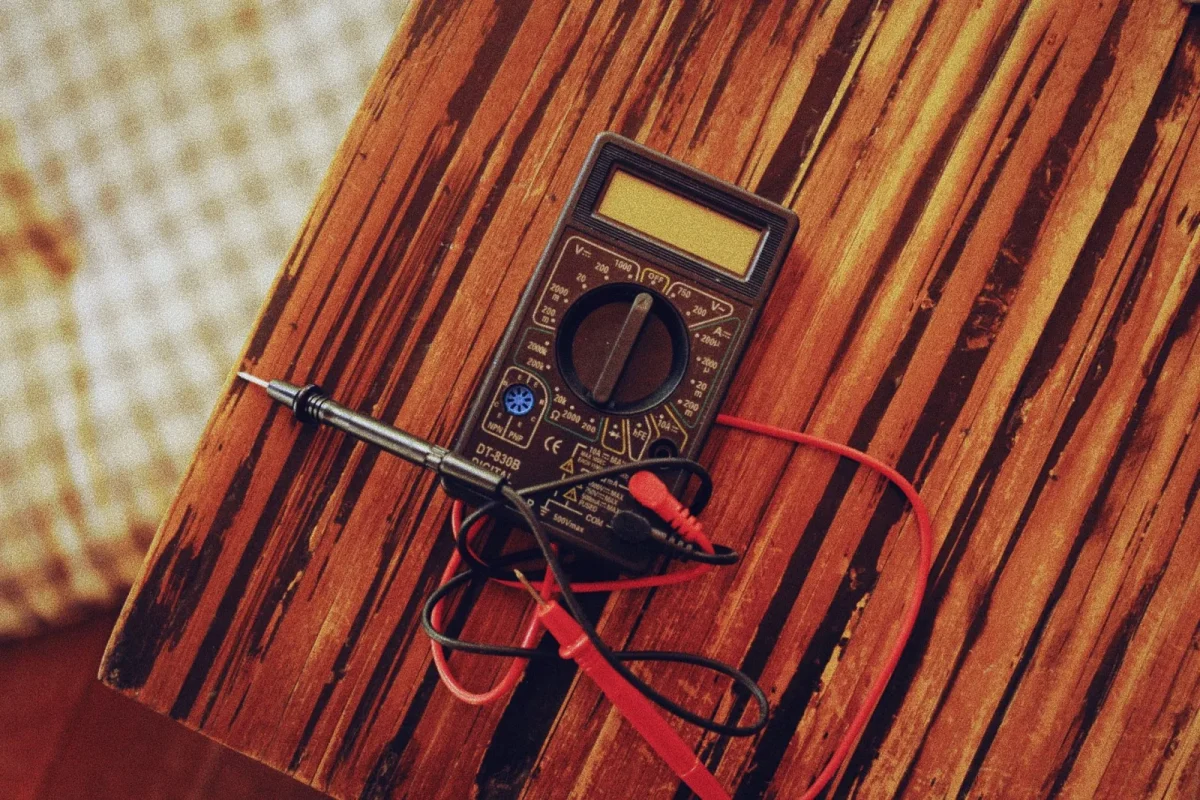
Confirm it with a multimeter across the terminals, key off. A healthy battery rests at 12.6 to 12.8 volts. A reading at 12.0 volts or lower means it is significantly discharged and needs a full charge first.
Next, check it under load. Have a helper crank the engine while you watch the meter. Voltage should not drop below 9.6 volts during cranking. If it sags to 8 volts or lower, the battery cannot deliver enough current even though it looked fine at rest.
Tip
A Rhino parked more than 30 days can lose about 1 percent of its charge per day, so a trickle charger left on over winter keeps it above 12.6 volts and ready for spring.
A basic 12 volt maintainer restores a discharged but sound battery in 8 to 12 hours. Replace it if it will not hold a charge overnight or fails the load test twice. A Rhino-spec AGM battery runs about 70 to 100 dollars.
Cause 2: Failed Seat Belt and Parking Brake Interlock Relay
This is the failure Rhino owners talk about most. The machine requires the seat belt buckled and the parking brake set before the interlock relay allows the starter circuit to close. One weak link, a worn buckle switch, a corroded connector, or a tired relay, and the key does nothing.
Confirm it by buckling the belt until you hear a solid click, then setting the parking brake firmly. With the key on, listen at the electrical box under the seat for the interlock relay to click within about 1 second. No click means the relay is not seeing both signals.
Pull the seat belt buckle connector and check continuity across the switch pins. A buckled switch should read close to 0 ohms. Unbuckled, or with a corroded pin, it reads open, shown as OL on most meters.
The common mistake: plenty of Rhino owners bypass this system entirely by splicing a jumper wire across the harness so the machine cranks no matter what. That hides the real fault and removes a safety feature meant to stop the machine from cranking while unbuckled or with the brake off. Track down the actual bad switch or connector instead. It is usually a 15 to 20 dollar part.
Cause 3: Blown Main Fuse
The fuse box sits under the seat next to the battery on most Rhino models, holding a 30 amp main fuse and a 15 amp ignition fuse. Trail vibration works these loose, and a fuse that looks fine can still have a hairline crack inside.
Pull each fuse and hold it to the light. A visible gap in the metal strip means it is blown. When you cannot tell by eye, set the multimeter to continuity and touch both legs. A good fuse reads close to 0 ohms, a blown one reads OL or infinite.
Replace a blown fuse with the same amperage rating, never higher. If the new fuse blows again within seconds, stop testing fuses and look for a short in the harness, since something downstream is pulling too much current.
Cause 4: Corroded Main Ground
A corroded ground strap produces one of the more confusing symptoms here: a single loud click from the solenoid, then nothing. The starter asks for power, but the return path to the battery is too weak to carry it.
Find the main ground strap between the engine block and frame, plus the short strap from the battery negative terminal. Look for green or white corrosion at either end, especially after a wet season.
Confirm it with a voltage drop test. Put the red lead on the battery negative post and the black lead on the engine block, then have a helper crank the engine. A clean ground stays under 0.2 volts during cranking. A reading of 0.5 volts or higher means the connection is choking the current.
Clean both ends to bare metal, reconnect with a new bolt and star washer, and coat the joint with dielectric grease. This is a 15 minute fix that costs less than 5 dollars in hardware.
Cause 5: Failed Main Relay or Fuel Pump Relay
The Rhino uses small automotive relays under the seat, including a main relay and a separate fuel pump relay. Both fail the same way: the coil stops pulling the contacts closed, so power never reaches the circuit.
How to Test It
Turn the key on and listen at the relay box. A good main relay clicks within about 1 second. If you hear nothing, check whether an identical relay elsewhere shares the same part number and swap the two. If the fault moves with the relay, you found it.
With the relay out, check for 12 volts at the socket’s coil terminals, key on. No voltage there points further upstream, toward a fuse or switch. Voltage present but no click means the relay itself has failed. Replacement relays run 10 to 20 dollars each.
Cause 6: Fuel Pump Not Priming or Clogged Filter
Yamaha wired the Rhino so the electric fuel pump primes the carburetor bowl before you hit the starter. Turn the key on and you should hear a 2 to 3 second hum near the tank as the pump builds pressure. Skip that hum and the engine can crank all day without catching.
Safety
Work on the fuel system in a well ventilated area, away from sparks and open flame. Relieve pressure before disconnecting a fuel line, and keep a fire extinguisher within reach.
No hum at all points to the fuel pump relay, a blown fuse, or a seized pump, so check those first. If the pump hums but the engine still will not start, pull the fuel line at the carburetor, key on, and confirm fuel flows. A trickle instead of a steady stream usually means a clogged inline filter, especially after winter storage with old fuel.
A new inline filter costs under 10 dollars and takes about 10 minutes to swap. A full pump replacement runs 40 to 120 dollars depending on OEM versus aftermarket.
Cause 7: Worn Ignition Switch or Start Button
If the battery, relays, ground, and fuel system check out, the fault is often the key switch or the separate start button on the dash. Both see years of mud, water, and grit, and the contacts wear down or corrode.
Pull the connector behind the switch or button and set the multimeter to ohms. With the key on, or the button pressed, a good switch reads under 1 ohm across the relevant terminals. A worn switch reads much higher, or jumps between a good reading and OL as you wiggle it.
Wiggling the key or tapping the button while a helper watches for the relay to click is a fast field test. If the relay clicks only at a certain angle, the contacts are worn and the part needs replacing. A new switch or start button typically costs 25 to 60 dollars.
Work through these seven causes in order and you will find the fault in all but the rarest Rhino no-start. Start with the battery, since it takes 2 minutes to check, then move toward the fuel pump and switches, which take longer to access. A Rhino reading 12.7 volts at rest but sagging to 7 volts under load needs a different fix than one reading 11.8 volts before you even touch the key.
Most of these fixes cost under 100 dollars in parts and an afternoon in the garage. Once it cranks and runs again, recheck the ground straps and relay connections every season, since vibration and weather created the problem in the first place.
Frequently asked questions
Why does my Yamaha Rhino click once but not crank?
A single click usually means the solenoid is engaging but not enough current is reaching the starter. Check the main ground first, since a voltage drop above 0.2 volts there produces exactly this symptom. If the ground tests clean, load test the battery and confirm it holds above 9.6 volts while cranking.
Why won't my Rhino start even after I installed a new battery?
A new battery rules out the battery itself, but the seat belt and parking brake interlock relay is the next most common failure. Buckle the belt fully, set the parking brake, and listen for the relay to click within about 1 second. If nothing clicks, test the seat belt buckle switch and the relay before assuming the new battery is bad.
Should I bypass the Rhino seat belt interlock to fix a no-start?
Bypassing it hides the real problem and removes a safety feature meant to stop the machine from cranking while the driver is unbuckled or the parking brake is off. Test the buckle switch and interlock relay first, since a bad connector or worn switch is usually a 15 to 20 dollar fix. Most machines crank normally again once the actual switch is replaced.
How long should a Yamaha Rhino battery last?
Most stock batteries last 2 to 4 years with normal use and seasonal maintenance. A battery parked for more than 30 days can lose about 1 percent of its charge per day, so a trickle charger during storage adds real life to it. Replace any battery that fails a load test below 9.6 volts twice in a row.
Does the Yamaha Rhino have an electric fuel pump?
Yes, the Rhino uses an electric fuel pump to prime the carburetor bowl before the engine starts. Turn the key to on and listen near the tank for a 2 to 3 second hum. No hum points to the fuel pump relay, a blown fuse, or a seized pump rather than the carburetor itself.

Vidya Verma
Vidya Verma is a UTV and powersports technician with hands-on experience diagnosing electrical, charging, and starting problems on Polaris, Can-Am, and other side-by-side platforms. She writes practical, workshop-tested repair guides that help owners troubleshoot faults, choose the right parts, and get their machines running reliably in the field. When she's not under the hood, she's out riding trails and stress-testing the same fixes she recommends.