
Key takeaways
- A healthy Ranger should draw under 50 milliamps with the key off and the modules asleep.
- Most overnight drains trace back to a winch contactor, a plow actuator relay, or a screen that will not sleep.
- Wait 20-30 minutes after key off before trusting any draw reading, since the ECU and ETC module need that time to settle.
- Pull fuses one at a time while watching the meter to isolate the exact circuit pulling current.
- Clean and torque both ground connections even when the draw test points somewhere else, since a bad ground skews every other reading.
Six a.m., mid 40s outside, and the Ranger XP 1000 does nothing but click. Two nights ago it fired on the first turn of the key. Nothing mechanical changed in between, which is exactly what makes a parking lot drain so frustrating to chase.
This is one of the most common calls we get on Rangers running a winch, a light bar, or a Ride Command screen. Those accessories make the machine useful, and they are also why the battery goes flat overnight.
The fix is not guesswork. It is a resting voltage check, a key off draw test, and a fuse pull that isolates the exact circuit pulling current. None of it needs a dealer visit or Polaris software.
The steps below apply across the lineup: the 570, 900, 1000, XP, and Crew. Wiring shifts a little between trims and years, but the diagnostic order stays the same on every one.
Rangers Attract Parasitic Draws Like Nothing Else in the Lineup
Polaris builds the Ranger with a 12 volt charging system that puts out roughly 40-45 amps at 3500 engine rpm, enough to run most of what owners add. The trouble shows up after shutdown, when several modules are supposed to go quiet and stop pulling current.
A stock Ranger 570, 1000, or XP 1000 with nothing added typically settles at 20-40 milliamps of draw once everything powers down, usually within 10-20 minutes of key off. That is the electronic throttle control (ETC) module and the instrument cluster finishing their shutdown routine.
Add a winch, a light bar, a phone mount, and a Ride Command display, and that baseline can climb to 60-90 milliamps before anything is wrong. Real trouble starts when one circuit fails to sleep and holds a full amp or more all night.
Check Resting Voltage Before You Touch a Fuse
Start with the battery itself. Let the Ranger sit for 30 minutes after the last time it ran, then read voltage straight across the posts with a multimeter set to DC volts. A fully charged 12 volt AGM should read 12.6-12.8 volts.
12.4 volts puts the battery around 75 percent charged, 12.2 volts is closer to 50 percent, and anything under 12.0 volts needs a charge before you test further. Charge it with a 1-2 amp smart charger for 4-8 hours, then check voltage again in the morning.
A drop of more than half a volt overnight points to a real draw, not just a tired battery. Most factory AGM batteries last 3-4 years, so check the date sticker on the case first.
Running the Key Off Draw Test the Right Way
With the key off and the hood closed, disconnect the negative battery cable. Set the multimeter to the 10 amp DC range first, not milliamps, and connect it in series between the post and cable end.
Give the Ranger 20-30 minutes before reading anything. The ECU, ETC module, and cluster need that window to finish shutting down. An early reading can show 300-800 milliamps that means nothing.
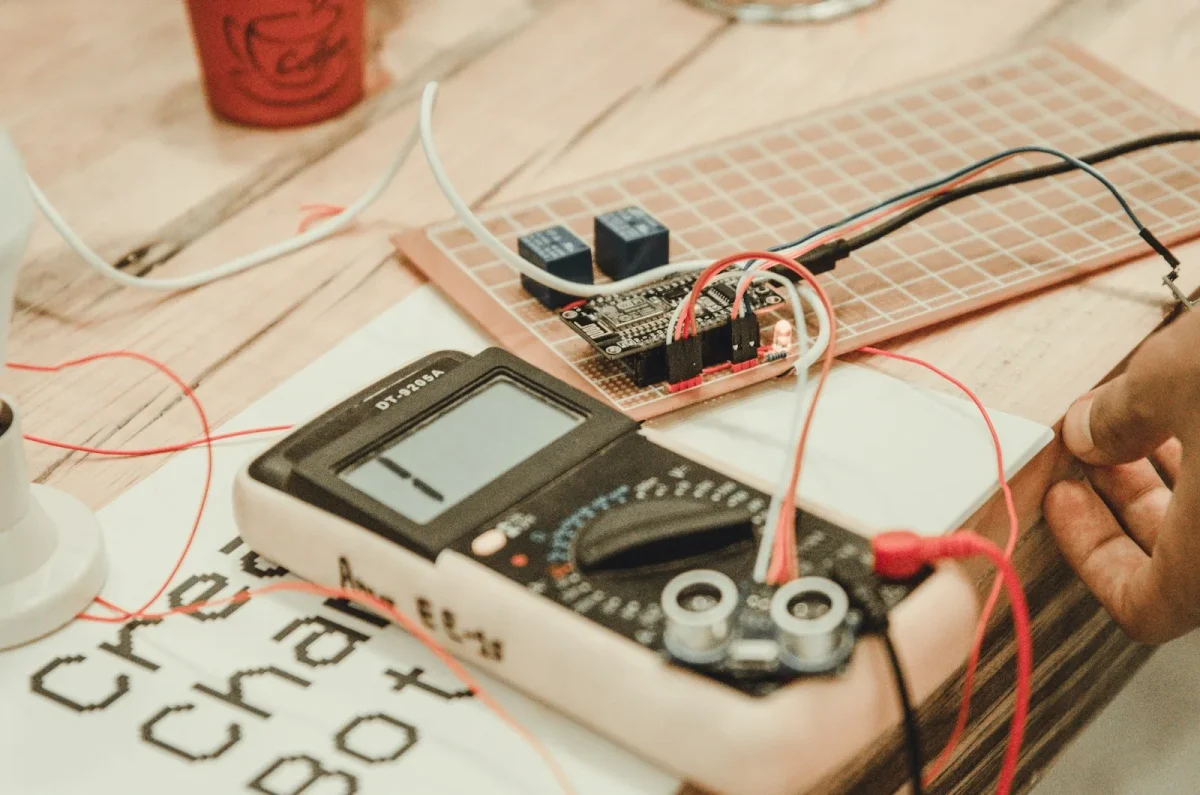
Once things settle, switch the meter to the milliamp range. A healthy Ranger should draw under 50 milliamps at rest. Readings of 50-150 milliamps point to an accessory that will not sleep, and anything over 500 milliamps drains a 30 amp hour battery in a single night.
Safety
Do not let the meter leads touch or bridge the gap with a wrench while this circuit is open. That draws a spark at the battery post, and with a winch wired straight to the battery, there is enough current to burn skin or ignite gas.
Isolating the Draw at the Fuse Block
Where the Fuse Block Lives on Most Rangers
On the Ranger 1000, XP 1000, and Crew, the main fuse block sits under the hood near the battery, under a plastic cover. The 570 keeps a similar block nearby, under the cargo box.
Machines with Ride Command or a cab heater often add a second fuse panel under the dash. Check both before ruling a circuit out.
Pulling Fuses One at a Time
With the meter still reading milliamps, pull fuses one at a time, waiting 10 seconds between each. A drop to near zero means you found your circuit. Reinsert each fuse before testing the next.
| Fuse Label | Typical Rating | What It Feeds | Likely Drain Source |
|---|---|---|---|
| Main | 30A | Battery to full harness | Corroded main relay |
| Ignition / EFI | 15A | ECU, fuel injection, ETC | ECU stuck awake |
| Accessory (ACC) | 20A | 12 volt outlets | Aftermarket USB hub |
| Winch | 30-40A | Winch motor, contactor | Stuck or pitted contactor |
| Radio / Ride Command | 10A | Stereo, Ride Command | Screen will not sleep |
| Fan | 20A | Cooling fan relay | Relay welded closed |
| Power Outlet | 15A | DC outlet, heated grips | Grips left on |
Fuse ratings shift a little by model year, so check the diagram on the fuse box cover first. The layout above covers most 570, 900, 1000, XP, and Crew trims.
The Winch Contactor Trick That Fools Most Owners
How a Stuck Contactor Drains a Ranger Overnight
The winch contactor is the single most common hidden drain on a Ranger. It is a heavy duty relay that snaps the full winch current on and off, and pitted contacts leak current through the coil circuit all night.
We had a Ranger 1000 in the shop with an aftermarket Warn winch. Dead battery every morning, though it charged and ran fine all day. The draw test showed 2.1 amps, far past the 50 milliamp baseline, and the winch fuse dropped that to 30 milliamps instantly.
Mud and water had worked past the boot and pitted the contact plate, bleeding current even with the switch untouched. A new contactor cost about $65 and took ten minutes to swap. That leak pulls a 30 amp hour battery to unsafe cranking voltage in under 8 hours, which is why these machines run fine all day but sit dead by morning.
Plow Actuators Do the Same Thing
Ranger plow systems use a linear actuator and control module for lift and angle. A relay stuck closed inside draws current the same way a bad contactor does, usually in the 1-3 amp range. Test it the same way, pulling the plow fuse while you watch the meter.
Tip
Cycle the winch in and out fully before you test it. A sticking contactor often frees up for a night or two, then goes back to leaking current.
Ride Command, the Cluster, and the ETC Module
On XP 1000 and Crew models with Ride Command, built from about 2018 on, the screen is a common source of a stubborn draw. In proper sleep mode it should add no more than 15-20 milliamps. Outdated firmware can leave it half awake, pulling 300 milliamps or more all night.
Test it by unplugging the Ride Command harness at the back of the display, then rerun the draw test. A firmware update through Polaris resolves it in most cases, taking about 15 minutes with the app or at a dealer.
The ETC module runs a short relearn routine every time the key cycles off, and that is normal. It should finish within 60 seconds and settle under 10 milliamps. If the warning light stays lit or flashes, the module can hang mid relearn near 100 milliamps until the battery is disconnected.
Grounds, Corrosion, and the Battery Itself
A loose or corroded main ground rarely causes a big draw by itself, but it will make every other test on this list lie to you. Check the ground strap between engine and frame, and the cable to the battery negative post.
With the engine cranking, a good ground drops less than 0.2 volts across each connection. Anything higher means cleaning the contacts to bare metal and coating them with dielectric grease. Factory specs typically call for 50-70 inch pounds on the terminal hardware, snug but not enough to crack the post.
- Charge the battery fully and confirm 12.6 volts or higher after sitting overnight
- Run the key off draw test after a 20-30 minute sleep window and record the reading
- Pull fuses one at a time, main block first, then any panel under the dash
- Cycle the winch and check the contactor if the draw drops at that fuse
- Unplug Ride Command and check the ETC relearn if accessory fuses come up clean
- Clean and torque both ground connections even if voltage looks fine
Getting the Draw to Zero and Keeping It There
Most Ranger drains trace back to one of three things: a winch or plow contactor with pitted contacts, an accessory that will not sleep, or a ground connection just loose enough to cause trouble. Work the draw test and fuse pull in order and you will usually find it within an hour.
Keep a small log of the milliamp reading each time you check it, especially after adding a new light bar or charger. A number that creeps up over a few months means a connector is degrading before it strands you at the trailhead.
If every fuse checks out clean and the draw is still there, the leak likely sits inside the main connector at the ECU or body control module, worth a shop visit with a wiring diagram for your model year. For everything else here, a $30 multimeter and half an hour in the garage will get the Ranger starting every morning again.
Frequently asked questions
How many milliamps of parasitic draw is normal for a Polaris Ranger?
Under 50 milliamps with the key off is normal on most Ranger 570, 900, 1000, and XP models once the ECU and cluster finish their shutdown cycle. Give it 20-30 minutes after key off before you measure, since an earlier reading can show 300-800 milliamps that has nothing to do with the actual problem.
Why does my Ranger battery die overnight but start fine after riding all day?
A parasitic draw pulls the same current whether the machine ran that day or not, but a full day of riding recharges the battery enough to mask a small leak. A draw of 1-2 amps, common with a stuck winch contactor, needs only 8-12 hours to drop a 30 amp hour battery below cranking voltage.
Where is the fuse block on a Polaris Ranger?
On the 1000, XP 1000, and Crew, the main fuse block sits under the hood near the battery, under a plastic cover. Machines with Ride Command or a cab heater often have a second fuse panel under the dash for those circuits, so check both.
Can a bad ground cause a battery drain on a Ranger?
A bad ground rarely causes the draw itself, but it will throw off your voltage readings and can trigger charging faults that look like a drain. Check for less than 0.2 volts drop across the ground strap while cranking, and clean any corrosion down to bare metal.
How long does a Polaris Ranger battery normally last?
Most factory AGM batteries in the Ranger lineup hold up for 3-4 years before they need replacement, which runs $90-160 for an OEM unit. If your battery is older than that and drops voltage quickly even without a draw, replace it before you spend more time chasing wiring.

Vidya Verma
Vidya Verma is a UTV and powersports technician with hands-on experience diagnosing electrical, charging, and starting problems on Polaris, Can-Am, and other side-by-side platforms. She writes practical, workshop-tested repair guides that help owners troubleshoot faults, choose the right parts, and get their machines running reliably in the field. When she's not under the hood, she's out riding trails and stress-testing the same fixes she recommends.


