Key takeaways
- A healthy Polaris Ranger charging system reads 13.8 to 14.7 volts at the battery once the engine holds 3000 rpm.
- Stator windings should measure 0.1 to 1.0 ohm phase to phase and show no continuity to ground.
- The three pin stator connector on many 700, 800, and 900 Rangers browns and melts long before the stator actually fails.
- A regulator rectifier that lets voltage climb past 15 volts will boil a battery just as fast as one that never charges at all.
- Test before you buy: a 20 dollar connector repair fixes more Rangers than a new stator does.
Your Polaris Ranger cranks a little slower every morning, then one day it just clicks. You charge the battery overnight, it starts right up, and by the second load of firewood it struggles again. That points at the charging system, not the battery itself.
Rangers add a few problems of their own beyond the usual stator and regulator failures. Chief among them is a stator connector well known for browning and melting on 700, 800, and 900 platforms. From the driver’s seat, a melted connector, a dead stator, and a cooked regulator look the same: dim lights, a battery that will not hold, and a machine that quits far from the trailer.
You do not have to guess which one it is. A multimeter and twenty minutes in the garage tells you which part failed, and often the answer is not the part everyone assumes.
The Three Places a Ranger’s Charging System Fails
A Ranger charges its battery with three parts working together. The stator sits under the flywheel and generates raw AC current as flywheel magnets spin past its windings. The regulator rectifier converts that AC to DC, then holds output voltage in a narrow band, usually 13.8 to 14.7 volts once the engine turns around 3000 rpm.
Between those two parts sits a connector and a ground strap tying the engine to the frame. On most 700, 800, and 900 Rangers built from around 2010 to 2016, that connector is a three pin plug carrying the stator’s full output. It sits near engine heat, and it is the piece most likely to fail before the stator or regulator wears out.
Knowing all three suspects up front changes how you test. You are working through stator, regulator, and connector in an order that rules parts in or out with numbers, not guesswork.
Confirm the Battery Before You Test Anything Else
Skipping this step wastes more afternoons than any other mistake. Put a multimeter on the battery terminals with the engine off and the key out. A rested, healthy battery reads 12.6 to 12.8 volts.
If your battery sits at 12.0 volts or lower after a full overnight charge, or will not hold a charge for more than a day sitting unused, the battery itself may be worn out. A battery over 3 or 4 years old that no longer holds a surface charge mimics every symptom of a charging fault: dim lights, slow cranking, and a machine that dies on the trail.
A load test at a parts store, often free, tells you in five minutes whether the battery is the problem or just a bystander. Only move on to the charging system once the battery itself checks out good.
Reading Charging Voltage at Idle and at 3000 RPM
With a good battery confirmed and the engine warmed up, clip the meter to the battery terminals, set it to DC volts, and start the engine. At idle, expect 12.8 to 13.5 volts. That is normal, since the system is just starting to charge at low rpm.
Now bring the engine up to a steady 3000 rpm and hold it there for 10 to 15 seconds while you watch the meter. A healthy Ranger climbs to 13.8 to 14.7 volts and holds steady. A voltage stuck near 12.3 to 12.4 volts, the same as with the engine off, means the system is making no charge at all.
A reading that climbs past 15 volts and keeps rising is just as serious. That is overcharging, and it will boil electrolyte out of the battery and cook bulbs within a few rides. Keep hands and meter leads clear of the drive belt and the hot exhaust while the engine runs.
Testing the Stator: Resistance and AC Output
Resistance Test
Shut the engine off and unplug the stator connector, the same connector covered below. Set the multimeter to ohms and read across each pair of the three stator leads. On most Ranger stators this reads low and roughly equal across all three pairs, commonly 0.1 to 1.0 ohm. Numbers vary by model year, so compare the three pairs to each other more than to one published spec.
Then touch one probe to any stator lead and the other to bare metal on the engine case. A healthy stator reads open or infinite, meaning no connection at all. Any continuity here means a winding has shorted, and the stator needs to be replaced.
AC Output Test
With the connector still unplugged, set the meter to AC volts and start the engine. Read across each pair at idle, then again at 3000 rpm. Output should rise with rpm every time. Many Ranger stators show roughly 20 to 30 volts AC per pair at idle, climbing well past that by 3000 rpm. Low or unequal output across the pairs means the stator is failing even if resistance looked fine.
Testing the Regulator Rectifier
Diode Test
Set the multimeter to diode test mode. With the regulator unplugged, check between each AC input pin and the DC output pin, then between each input pin and ground. A good rectifier passes current one direction on each pair and blocks it the other way. If a pair passes both ways, or blocks both ways, that diode has failed and the regulator needs replacing.
Mounting and Ground
The regulator rectifier bolts to a metal bracket, usually under the front hood on 700 and 800 models and near the dash on some 900 and Crew models. Check that the mounting bolts are tight and free of corrosion, and check the ground path back to the engine and frame. A loose or corroded ground makes a good regulator behave like a bad one, since it throws off the voltage reference it uses to decide how hard to charge.
The Melted Stator Connector: Ranger’s Known Weak Point
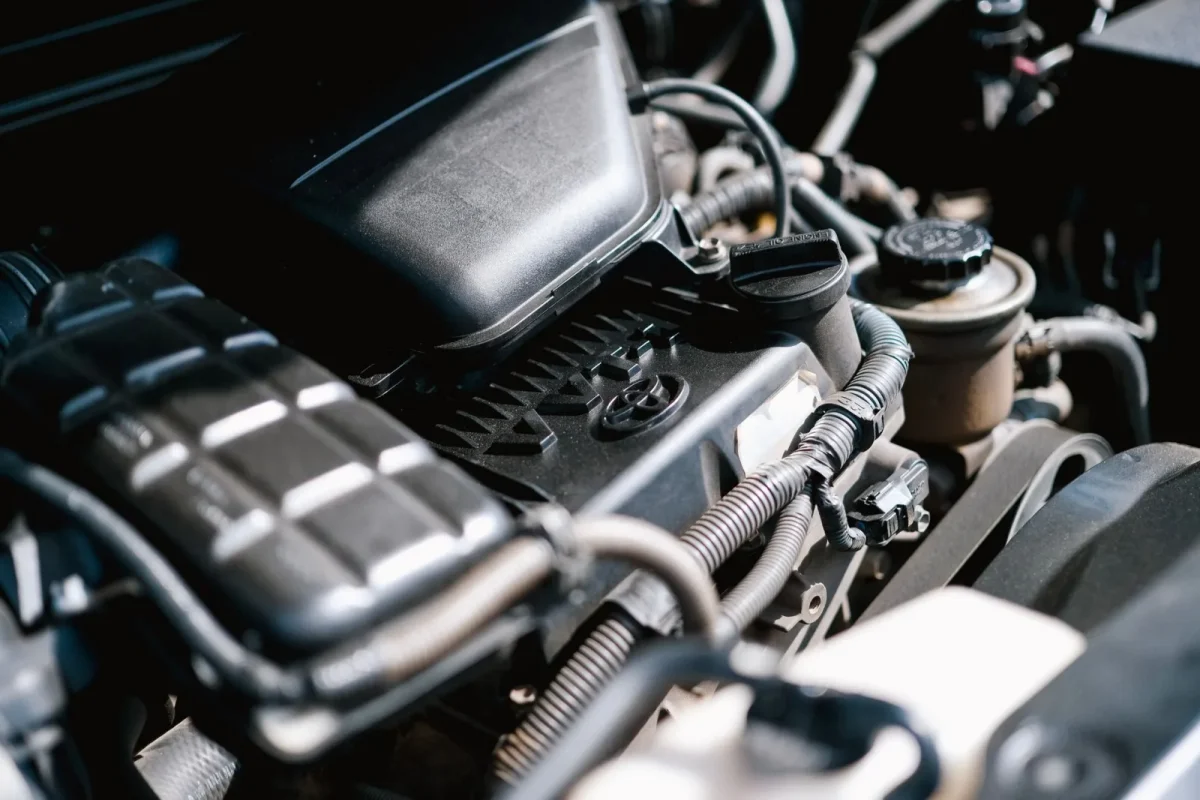
This failure catches most owners off guard because it looks just like a dead stator or a bad regulator. The three pin connector between the stator and the regulator carries every amp the stator makes. On 700, 800, and 900 Rangers from about 2010 to 2016, the female pins inside it can spread slightly from vibration and heat.
That small gap adds resistance, and resistance under load makes heat. The heat browns the plastic, softens the pins further, and the connector eventually melts or a pin loses contact. The stator behind it can test perfectly while the machine still will not charge, because the fault lives in the connector.
I had a 2014 Ranger 800 in the shop last summer with a battery dying every third ride. The stator tested fine: 0.4 ohms across all three pairs, open to ground, and 26 volts AC per pair at idle. The regulator diode test passed too. The real problem was two browned pins in the stator connector losing contact once things warmed up on rough ground. A 22 dollar pigtail kit, dielectric grease, and 40 minutes fixed a problem that almost cost him a stator he did not need.
Pull the connector apart any time you chase a charging complaint. Look for brown or discolored plastic, loose pins, or a faint burnt smell. Any of those signs point straight at the connector.
What the Numbers Mean
Match what your meter shows to what it means.
| Test | Reading | What it means |
|---|---|---|
| Battery, engine off | 12.6 to 12.8 volts | Battery is healthy |
| Charging voltage at idle | 12.8 to 13.5 volts | Normal, charging is just starting |
| Charging voltage at 3000 rpm | 13.8 to 14.7 volts | Charging system is healthy |
| Charging voltage at 3000 rpm | Stuck near 12.3 to 12.4 volts | System is not charging |
| Charging voltage at 3000 rpm | Above 15 volts and climbing | Regulator is overcharging |
| Stator phase to phase | 0.1 to 1.0 ohm, equal across pairs | Windings are intact |
| Stator to ground | Any continuity at all | Shorted stator, replace it |
| Regulator diode test | Passes both ways or blocks both ways | Regulator rectifier has failed |
Work through this list before you buy parts.
- Confirm the battery passes a load test first
- Warm the engine before reading any voltage
- Inspect the stator connector for brown or melted plastic
- Check the ground strap for corrosion
- Record voltage at idle and at 3000 rpm
- Test resistance and AC output before buying a new stator
Tip
Test the connector before anything else. On these Rangers a 20 dollar pigtail fixes more no charge complaints than a new stator or regulator.
Getting Your Ranger Back on the Trail
Work the tests in order: battery, then voltage at idle and 3000 rpm, then stator, then regulator, then connector. Write down every number. Two weeks from now, you will be glad you did not trust your memory.
Most Ranger charging complaints end at the connector or the ground strap, not a new stator. Replace only the part that actually fails a test, add dielectric grease to the pins, and run the 3000 rpm check once more before you close the hood.
Keep the old parts until the new ones prove themselves over a few rides. If voltage will not settle into that 13.8 to 14.7 volt band, go back through the test order once more. A second look with the machine warm and under a real load catches what a quick driveway check can miss.
Frequently asked questions
What voltage should a Polaris Ranger show when the engine is running?
At idle expect 12.8 to 13.5 volts at the battery. Hold the throttle at 3000 rpm and a healthy system climbs to 13.8 to 14.7 volts. Anything below 13 volts at 3000 rpm points to a charging fault, and anything above 15 volts means the regulator is overcharging.
Why does the stator connector melt on Ranger models?
The three pin connector between the stator and the regulator carries the full charging current, and on 700, 800, and 900 models the female pins can spread slightly with vibration. That small gap adds resistance, the resistance makes heat, and the heat browns and eventually melts the plastic housing. It is one of the most common charging failures on these machines and it is often mistaken for a bad stator.
Can I test the stator without removing it?
Yes. Unplug the stator side of the connector and test resistance phase to phase and phase to ground right at the plug. For the AC output test the engine has to run, so you read voltage at the same connector with it plugged back in using probes from the back of the plug.
How much does it cost to fix a Ranger charging problem?
A connector repair kit runs about 15 to 40 dollars and takes under an hour. A new stator typically runs 150 to 300 dollars in parts, and a regulator rectifier runs 80 to 180 dollars, plus labor if a shop does the work.
Will a bad ground cause the same symptoms as a bad stator?
Yes. A corroded ground strap between the engine and frame can drop charging voltage by 1 to 2 volts and confuse the regulator's reference point. Clean and retighten the ground connection before you condemn the stator or regulator, since it costs nothing to check.

Vidya Verma
Vidya Verma is a UTV and powersports technician with hands-on experience diagnosing electrical, charging, and starting problems on Polaris, Can-Am, and other side-by-side platforms. She writes practical, workshop-tested repair guides that help owners troubleshoot faults, choose the right parts, and get their machines running reliably in the field. When she's not under the hood, she's out riding trails and stress-testing the same fixes she recommends.